Blog

All Tacoma Ford Dealer Finance Tips
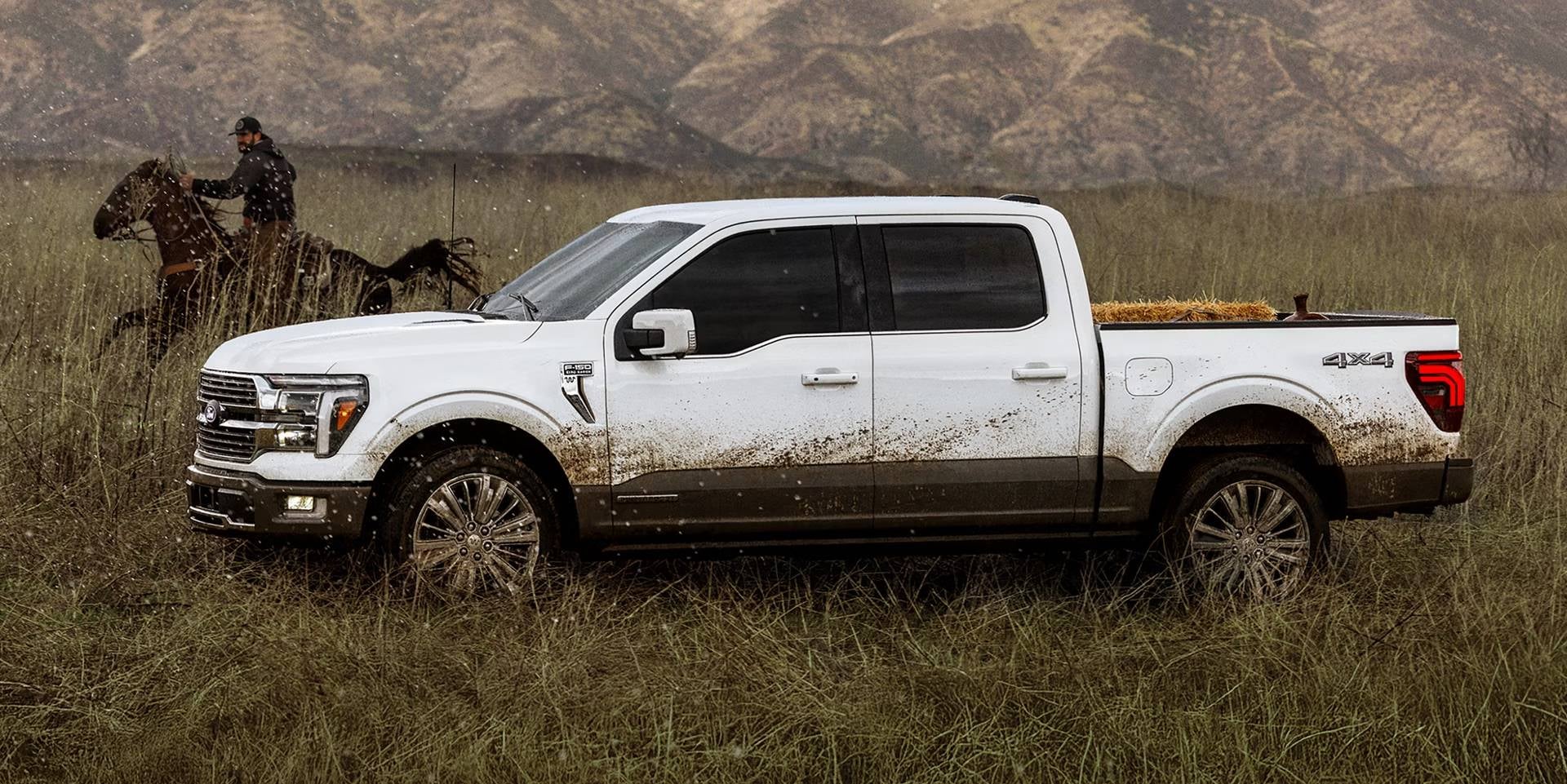
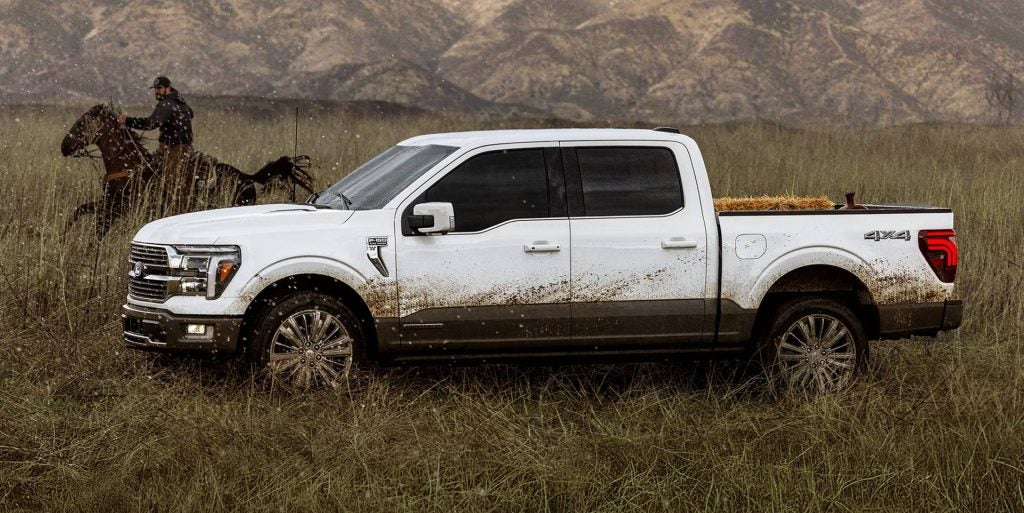
F-150 in a prairie covered in dirt.

2026 Chevy Silverado EV vs 2026 Ford F-150

Choosing the right electric truck can feel overwhelming, especially when there are top contenders such as the 2026 Chevy Silverado EV and the 2026 Ford F-150. Whether you're hauling gear to Point Defiance Park for a weekend outing or navigating the daily commute through downtown Tacoma, WA, you need a truck that delivers real-world performance and practical benefits. At Titus-Will Ford, we're here to help you make the smartest choice for your needs. Here's a guide on the Silverado EV vs the Ford F-150 to help you make a decision. What's New for the 2026 The 2026 Ford F-150 arrives with several updates that can make that morning drive on I-5 more enjoyable. The PowerBoost full-hybrid V6 engine is now available across more trim levels, saving on gas without losing towing ability. Ford also introduced the new Connectivity Package to keep you connected on the road for navigation and entertainment. For those seeking street performance, the STX Lobo Package delivers a two-inch-lowered rear suspension, gloss-black 22-inch wheels, and a powerful 5.0L V-8 engine. The 2026 F-150 Lightning now comes with a new STX trim that replaces the XLT model without raising the starting MSRP price. The STX brings a fresh look with a bit of off-road style and added features, yet it still keeps the same affordable price as before. The 2026 Chevy Silverado EV Trail Boss brings factory-fitted off-road capability with a two-inch suspension lift, 35-inch all-terrain tires, four-wheel steering, and Terrain drive mode for tackling the beachy terrain at Dash Point State Park. GM also made the 17.7-inch infotainment screen standard across all trims. Powertrain Options and Towing Capabilities The 2026 F-150 lets you pick the engine that's right for you. The 2.7L EcoBoost V6 puts out 325 horsepower and 400 lb-ft of torque. It is a great option for daily driving and can tow up to 8,400 pounds. The 3.5L PowerBoost Full Hybrid V6 cranks out 420 horsepower and 578 lb-ft of torque, delivering exceptional towing capacity up to 11,600 pounds while giving you better fuel economy. For serious towing, the 3.5L EcoBoost V6 hauls up to 13,500 pounds, perfect for boat owners or those moving heavy trailers regularly. The 5.0L Ti-VCT V8 provides 400 horsepower and tows up to 12,800 pounds with that traditional V8 power. All engines pair with a 10-speed automatic transmission for smooth shifting. The Silverado EV vs. Ford Lightning comparison shows some similarities. The F-150 Lightning has a two-motor, all-wheel-drive system that makes 536 horsepower and 775 lb-ft of torque in its base models. Higher trims bump power to 580 horsepower. This instant torque gives you quick acceleration and confident passing power on Highway 16 and other highways around Tacoma. The Silverado EV also uses two electric motors. The base WT trim produces 510 horsepower, while the LT delivers up to 760 horsepower for those wanting maximum power. It can also tow up to 12,500 pounds. Interior Features and Technology Enhancements The 2026 F-150 has a 12.0-inch digital display that shows you two things at once. You get to keep an eye on your towing information and your off-road stats without taking your eyes off the road. All versions are expected to have a 12-inch touch screen that supports wireless Apple CarPlay and Android Auto, so you can use your favorite apps easily without plugging in your phone. The available head-up display will project real-time driving information onto your windshield for safer driving. The 2026 F-150 has handy features like a Wi-Fi Hotspot that connects up to 10 devices, keeping your family entertained on long drives. Practical touches include the Interior Work Surface created by a stowable shifter that unfolds the center console into a flat workspace. Under-seat storage in the rear cabin provides lockable space for tools and valuables, while flip-up rear seats handle coolers or camping gear when the truck bed is full. The Silverado EV comes with an 11.0-inch digital gauge cluster and a massive 17.7-inch center touch screen running Google-based software. It doesn't support Apple CarPlay or Android Auto, limiting your connectivity options if you prefer using your iPhone. The gear shift on the steering column gives you extra space in the center console. Fuel Efficiency and Real-World Performance The 2026 F-150 is expected to match the 2025 model's fuel efficiency. The 2.7-liter twin-turbo V6 should deliver around 18 to 19 mpg in the city and 23 to 25 mpg on the highway, giving you solid fuel economy without sacrificing capability. The 5.0-liter V8 is expected to reach about 16 city and 24 highway with traditional power. The 3.5-liter PowerBoost hybrid should offer around 22 city and 24 highway. It also zips from zero to 60 mph in just 5.8 seconds, proving going green doesn't have to be slow. The 2026 F-150 Lightning will come standard with a larger battery, with a capacity of 131 kWh and a driving range of 290 miles. Higher trims are expected to deliver 300-320 miles, depending on configuration. The Lightning Pro accelerates from zero to 60 mph in 4.2 seconds, while the Lariat Extended Range does it in just 3.8 seconds. The Silverado EV can travel between 286 and 493 miles, depending on battery choice. The EPA rates the Work Truck at 70 MPGe and the LT at 68 MPGe. Real-world highway testing showed the LT achieving 57 MPGe. The RST model hits 60 mph in 4.1 seconds using Wide Open Watts mode. Which One Is Right for You? After comparing the Ford F-150 vs the Chevy Silverado EV across multiple categories, the 2026 Ford F-150 stands out as the more intelligent choice for most truck buyers. The F-150 offers more powertrain options so that you can choose the right engine for your needs and budget. Ford offers reliable technology built on years of truck-building experience. Whether you want a hybrid option, V8 power, or an all-electric experience, there's a dependable F-150 for you. Real-world towing capability matches or exceeds the Silverado EV across most configurations, and you get more interior flexibility. Get Ready for the 2026 Ford F-150 Get in touch with us at Titus Will Ford to learn more about the 2026 Ford F-150 and its availability. Meanwhile, check out our current Ford F-150 inventory and Ford Lightning options.
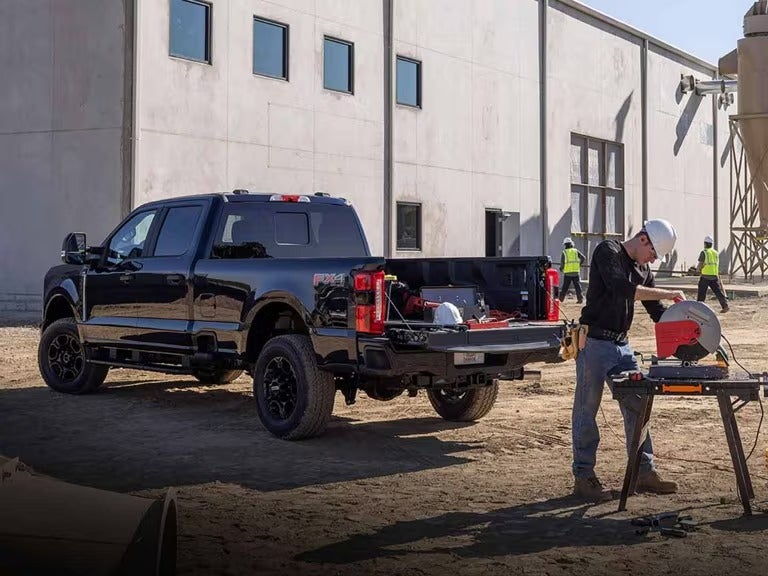
Worker in hard hat using a power saw near a black pickup truck with equipment loaded in the bed at an active construction site.

2025 Ford F-150 vs Chevy Colorado: Complete Truck Comparison Guide

If you're shopping for trucks in Tacoma, Washington, you'll eventually find yourself looking at the Ford F-150 and Chevrolet Colorado. So how exactly do they compare? The main difference is the F-150 competes in the full-size truck segment, while the Chevrolet Colorado sits in the midsize arena. As a result, the F-150 offers more power, towing capacity, payload, and cab/bed configurations, making it an ideal work partner or family hauler. On the other hand, the Colorado's smaller footprint makes it more maneuverable and generally more fuel efficient than larger trucks. Colorado drivers can still enjoy the 4x4 capability and truck bed versatility without the price tag of a full-size pickup. We invite you to read on as we learn more about what makes these trucks so attractive. Performance, Engines, and Driving Dynamics Truck performance starts under the hood. The F-150 has six engine options depending on your choice of trim. 2.7-Liter EcoBoost V-6 Engine The base engine in the XL, STX, and XLT models is Ford's 2.7-liter EcoBoost V-6, which uses twin intercooled turbochargers and port-fuel and direct-injection (PFDI) technologies. This powertrain produces 325 horsepower and 400 lb-ft of torque. 5.0-Liter V-8 Engine Ford's 5.0-liter V-8 engine paired with a ten-speed automatic transmission comes standard in the Lariat and Tremor trims. This powertrain makes 400 horsepower and 410 lb-ft of torque. 3.5-Liter EcoBoost V-6 Engine A 3.5-liter EcoBoost V-6 engine powers the King Ranch and Platinum models. Using Ford's PFDI system with two injectors per cylinder to boost performance, this twin intercooled engine kicks in with virtually no lag, recording 400 horsepower and 500 lb-ft of torque. 3.5-Liter PowerBoost Full-Hybrid V-6 Engine Ford offers its 3.5-liter PowerBoost Full-Hybrid V-6 engine as an option for the XLT, Lariat, King Ranch, and Platinum trims. This gas-powered engine uses a separate electric motor and battery to boost power output, resulting in 430 horsepower and 570 lb-ft of torque. Raptor-Exclusive Engines The last two engines are only available on the F-150 Raptor models. The base Raptor engine is a 3.5-liter Twin-Turbo High-Output EcoBoost V-6 engine with PDFI technologies. This Baja-bred powertrain produces 450 horsepower and 510 lb-ft of torque. The Raptor R trim has the most powerful high-performance engine ever installed in an F-150. Ford's Supercharged V-8 engine will pin you to your seat with its impressive 720 horsepower and 640 lb-ft of torque. Terrain Management System Ford offers seven selectable drive modes depending on your powertrain. An ECO mode optimizes fuel efficiency for your Tacoma commute, while the Normal mode provides a more balanced output of power and economy. Sport mode dials in your throttle, steering, and suspension for crisp on-road driving dynamics. The Slippery mode distributes power more efficiently when the surfaces get slick. Deep Snow/Sand and Mud/Rut modes enhance your traction and stability control systems to power through the harsher conditions. 2.7-Liter TurboMax Engine Chevrolet makes the Colorado available in five trims to suit various driving needs. A 2.7-liter TurboMax inline four-cylinder engine bolted to an eight-speed automatic transmission powers all five models. This powertrain produces 310 horsepower and 430 lb-ft of torque. Terrain Management System This engine also has up to five selectable drive modes depending on your trim. Normal mode is your default for your everyday Tacoma commute. An Off-Road mode delivers better traction on loose, slippery surfaces, such as grass, mud, gravel, or deep snow. A Terrain mode provides low-end torque for climbing steep hills or crawling over obstacles. The ZR2-exclusive Baja mode delivers exceptional traction and stability in sandy conditions. The available Tow/Haul mode optimizes performance for towing and hauling heavy loads. Towing, Payload, and Utility Capabilities The F-150 has impressive towing and hauling capabilities throughout its lineup. Trucks with the base 2.7-liter EcoBoost engine can tow up to 8,400 pounds and haul another 1,775 pounds in their beds. Ford's 5.0-liter powertrain enables a maximum towing capacity of 12,900 pounds and a payload rating up to 2,225 pounds. F-150 models with the 3.5-liter EcoBoost engine get the highest tow rating of 13,500 pounds and a 2,440-pound payload rating. The 3.5-liter PowerBoost Full-Hybrid variant produces a slightly lower tow rating of 11,200 pounds and a payload capacity of 1,750 pounds. The full-hybrid engine features Ford's Pro Power Onboard system that delivers 2.4 kW of power to plug in power tools for work around Tacoma or a television for your weekend tailgating parties at Lumen Field. Every Chevrolet Colorado trim can tow up to 7,700 pounds and haul up to 1,684 pounds, except the ZR2. The heavy-duty off-road equipment installed on the ZR2 reduces its towing capacity to 6,000 pounds and its payload capacity to 1,280 pounds. Fuel Economy and Cost of Ownership The EPA estimates Ford F-150 trucks with the 2.7-liter engine get 19 mpg city and 25 mpg highway ratings. The 3.5-liter V-6 earns ratings of 17 mpg city and 25 mpg highway. The full-hybrid powertrain gets the best fuel economy with its 22/24 city/highway mpg, making it the ideal vehicle for your Tacoma-area commute. The rear-wheel-drive Colorado models get up to 20 mpg city and 24 mpg highway ratings, while the AWD trims get 18/22 city/highway estimates. The off-road ZR2 earns the lowest ratings of 17 mpg in the city and on the highway. Interior Comfort, Tech, and Infotainment Both trucks offer comfortable cabins with cloth upholstery in the lower trims and premium leather appointments in the higher models. However, the King Ranch and Platinum models take comfort to the next level with heated and ventilated seats to warm you against Washington winter chills and cool you in the summer sun. Trim-exclusive authentic wood and metal trim add a sophisticated flourish that the Colorado doesn't offer. Ford's infotainment tech runs on a 12.0-inch display, and Chevrolet uses a slightly smaller 11.3-inch screen. Both systems have Apple CarPlay and Android Auto capability. Both vehicles offer trailering apps for confident I-5 towing. Schedule Your Ford F-150 Test Drive Today After our comparison, we aren't surprised that the F-150 outperforms the Colorado in every meaningful way. If you need the full-size power and performance of a truck ready to handle the Tacoma workweek or your off-road adventures on the weekends, the F-150 has the size and capability to tackle the toughest jobs and terrain. Drivers more interested in light towing and hauling with moderate off-road capability will gravitate to the Colorado pickup. We invite you to schedule a test drive today to see how much more truck you get with the Ford F-150.

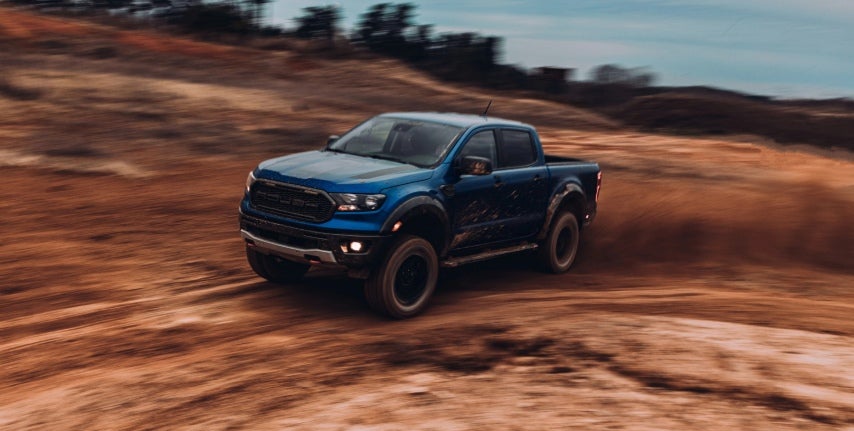
Blue Ford F-150 Roush kicking up dirt while drifting on a rugged off-road trail at dusk.

2025 Full-Size Pickup Truck Showdown: Ford F-150 vs GMC Sierra

Pickup truck buyers today have a wide range of excellent options to choose from. However, this abundance of choices can quickly become overwhelming, making it hard to decide which truck best fits your needs. The 2025 Ford F-150 and GMC Sierra are two outstanding contenders. We prepared this Ford F-150 vs. GMC Sierra comparison to help you determine which one is right for you. Engine Performance and Powertrain Options The 2025 Ford F-150 boasts an impressive engine lineup. It includes: The basic turbocharged 2.7-liter V-6, which can produce up to 325 horsepower and 400 pound-feet of torque A 5.0-liter V-8 with up to 400 horsepower and 410 pound-feet of torque A turbocharged 3.5-liter V-6 with a maximum output of 400 horsepower and 500 pound-feet of torque A dedicated powertrain for the off-road-oriented Raptor trim, with a turbocharged 3.5-liter V-6 that delivers up to 450 horsepower and 510 pound-feet of torque A dedicated powertrain for the upgraded Raptor R trim, which includes a massive 5.2-liter V-8 with an astonishing output of 720 horsepower and 640 pound-feet of torque An economical hybrid powertrain that pairs the turbocharged 3.5-liter V6 with an electric motor for a combined output of up to 430 horsepower and 570 pound-feet of torque. While the 2025 GMC Sierra has four engine options, their outputs are inferior to the F-150's, both for the standard configuration and at the top end. The engines are: The standard turbocharged 2.7-liter four-cylinder, with a maximum output of 310 horsepower and 430 pound-feet of torque A turbocharged 3.0-liter inline-six diesel engine with up to 305 horsepower and 495 pound-feet of torque A 5.3-liter V-8 that can deliver up to 355 horsepower and 383 pound-feet of torque The top-of-the-range 6.2-liter V-8 with a maximum capacity of 420 horsepower and 460 pound-feet of torque Towing, Payload, and Fuel Economy Comparison The most relevant performance figures for a pickup truck are its towing and hauling figures. The 2025 Ford F-150 is the class leader, with an impressive 13,500-pound towing capacity when properly equipped. It can also haul up to 2,440 pounds. While the 2025 GMC Sierra isn't far behind, it falls just short of the F-150 with a towing capacity of 13,300 pounds when equipped with its diesel engine. Its maximum payload capacity is identical to the Ford's, at 2,440 pounds. The fuel economy figures for these two are also close. While the 2025 Ford F-150 has a 19 mpg combined fuel economy for its 5.0-liter V-8, the hybrid powertrain provides the best figures, with 23 mpg combined. Meanwhile, the Raptor trim gets around 16 combined mpg, but it's understandable given its capability. The Sierra gets between 16 and 18 combined mpg, depending on your engine choice, which is slightly less economical than the F-150. The only exception is the diesel, which can get a combined 26 mpg. Interior Comfort, Infotainment, and Technology Nowadays, drivers expect modern pickup trucks to provide excellent comfort and high-end infotainment technology. The 2025 Ford F-150 delivers, featuring a well-cushioned interior with front seats that remain supportive even after long hours of driving. Its suspension provides a smooth ride on surfaces, while strong sound insulation keeps most road, wind, and engine noises out of the cabin. The Sierra's interior is a great place to be, but it doesn't match the F-150's level of comfort and sophistication. Its front seats aren't as soft and supportive, but they do a decent job of keeping the driver and passenger comfortable on longer drives. All buttons are easy to find, and the climate control system provides a steady temperature throughout the cabin. However, a bumpy road will reveal the suspension system's limitations and cause some interior discomfort. The 2025 F-150 comes with a standard 12-inch touch screen with wireless Apple CarPlay and Android Auto for seamless connectivity. The 2025 Sierra also offers wireless Apple CarPlay and Android Auto, but the touch screen on the base trim is only seven inches wide, while higher trims have a 13.4-inch display. Safety Ratings and Driver Assistance Features Both the 2025 Ford F-150 and the 2025 GMC Sierra are exceptionally safe vehicles in case of a collision, as certified by their five-star rating given by the National Highway Traffic Safety Administration. They also come with multiple active safety features designed to help drivers identify potential dangers and avoid them. The standard safety features for the F-150 are: Forward collision warning with automatic braking: The system can detect an imminent frontal collision and apply the brakes automatically to mitigate the effects of the impact if you don't respond to alerts. Lane-keeping assistance: The system can steer the vehicle back into its lane if it detects drifting out of lane without the activation of turn signals. Blind-spot warning with rear cross-traffic warning: The system can alert the driver if it detects another vehicle entering the F-150's blind spot and if another vehicle is approaching from either side while backing up. Rear automatic braking: The system brakes automatically if it senses an imminent impact with an object behind the vehicle. The 2025 GMC Sierra only has the frontal collision mitigation and lane-keeping assistance systems available in its standard configuration. The others are available as options or for higher trims. Schedule Your Ford F-150 Test Drive Today While both the 2025 Ford F-150 and 2025 GMC Sierra are strong pickup truck options, the F-150 stands out with its more powerful engines, higher towing capacity, more comfortable interior, and superior standard safety features. Contact us at Titus-Will Ford today to schedule a test drive and experience why the F-150 remains America's best-selling truck.

F-150 in a prairie covered in dirt.

Complete Guide to 2026 Ford F-150 Trim Levels and Packages

America's top-selling pickup truck, the Ford F-150, returns in 2026 with an array of subtle yet exciting upgrades. While it still comes in the familiar trim choices from its predecessor, Ford has revised the packages offered on each variant. In this article, we break down the 2026 Ford F-150's trim levels and packages to help you pick your perfect pickup truck from our latest Ford inventory. Let's dive right in. 2026 F-150 Trim Level Breakdown The 2026 Ford F-150 is available in six primary variants: XL, STX, XLT, Lariat, King Ranch, and Platinum. Here's a glimpse at each trim and its standout features: XL The work-oriented XL remains the entry-level model in the 2026 Ford F-150 lineup. Its standard features include: Black front grille LED headlights 17-inch steel wheels Class IV trailer hitch STX The STX model boasts a sporty exterior design and several interior enhancements to enhance its cabin experience, making the drive to Tacoma Mall more enjoyable. Its key features include: Black and gray front grille 18-inch alloy wheels LED fog lamps and cornering lamps Premium cloth upholstery XLT The XLT builds on the base model design and convenience features such as: Automatic on/off headlamps Zone lighting Pro Trailer Hitch Assist Lariat The Lariat strikes the perfect balance between performance and luxury with a host of premium features, including: Chrome surround grille 360-degree camera Premium leather seating surfaces Heated and ventilated front seats King Ranch The Western-themed King Ranch comes with most of the features of the Lariat and additional features such as: 20-inch wheels Twin-panel panoramic moonroof Heated and ventilated seats Dual-zone automatic climate control Heads-up display Platinum The Platinum represents the pinnacle of luxury in the Ford F-150 lineup. Perfect for a night out touring the Tacoma Art Museum. Its standout features include: Heated and ventilated seats with Active Motion Fade-to-Off interior lighting Heated steering wheel Performance-Focused F-150 Variants The new Ford F-150 lineup includes two performance-oriented models: Tremor and Raptor. While both are optimized for off-road performance, they are equipped differently. Tremor The 2026 Ford F-150 Tremor comes with a high-output V-8 engine and many standard off-road-focused features. This includes 18-inch aluminum wheels wrapped with 33-inch all-terrain tires, off-road tuned suspensions, selectable drive modes, and steel skid plates. Raptor The Raptor delivers impressive performance on any terrain thanks to off-roading features, such as 17-inch alloy wheels wrapped with 35-inch all-terrain tires, sport-tuned shock absorbers, and a five-link rear suspension. Its variant, the Raptor R, takes performance to new heights with a supercharged V-8 engine and 37-inch tires. This will make that trek to Evans Creek ORV Park that much more fun. 2026 F-150 Lightning Electric Trim Levels The 2026 Ford F-150 Lightning comes in four main trim options: Pro, XLT, Lariat, and Platinum. Here's a glance at each trim and its standout features. Lightning Pro Despite its entry-level designation, the 2026 F-150 Lightning Pro is equipped with an extended-range battery, delivering an impressive range of 320 miles. It also offers many modern amenities and tech to elevate your drives in Tacoma, WA. They include heated front seats, a manual tilt/telescoping steering wheel, and a 12.0-inch infotainment display running SYNC 4 software. Lightning XLT The XLT trim builds on the comfort and stylishness of the base F-150 Lightning Pro with more premium styling and comfort features. Its front end features a carbon black grille with signature lighting, which gives the truck a futuristic look. Inside, you get heated fabric seats for maximum comfort when the temperatures drop. Meanwhile, the standard 360-degree camera gives you wide-angle views of your truck's surroundings for easier navigation in downtown Tacoma's tight parking spaces. Lightning Lariat Like its internal combustion engine (ICE) counterpart, the 2026 Lightning Lariat offers a luxurious cabin replete with top-of-the-line amenities. Standard heated and ventilated front seats ensure the driver and front passenger stay cozy in any weather. A twin-panel moonroof provides an open-air driving experience. Lightning Platinum The apex F-150 Lightning Platinum trim stands out for its sporty performance and unmatched interior comfort. It runs on 22-inch aluminum wheels, which provide better stability and traction on challenging terrain. Standard heated and ventilated leather seats deliver supreme passenger comfort while accentuating the cabin's luxurious look. The model is also equipped with a massive 15.5-inch touch screen, making it incredibly easy to stay connected during your weekend adventures in Dash Point State Park. Available Package Options Across Trims The 2026 Ford F-150 has undergone minor upgrades to its in-cabin tech offerings. Its SYNC 4 infotainment software now supports over-the-air (OTA) software updates, massively improving the truck's driveability. BlueCruise 1.3 is now available on XLT and higher trim levels. This hands-free cruise system now supports automatic lane changes. The 2026 Ford F-150 also continues to offer a Black Appearance Package on select trims, like the STX, XLT, and Lariat. Other optional packages across the lineup include a Mobile Office Package, Tow/Haul Package, and Bed Utility Package. Engine Options by Trim Level The 2026 Ford F-150 carries over the engine choices from the outgoing model. Several configurations have undergone minor modifications to improve torque delivery and response. The 2.7-liter EcoBoost V-6, standard powerplant on the XL, STX, and XLT trims, sees improvements in mid-range torque delivery. The Lariat and Tremor still offer a 5.0-liter Ti-VCT engine as standard, albeit with slightly higher output. The premium King Ranch and Platinum trims are powered by a 3.5-liter EcoBoost V-6, which has been tuned for improved linear response. The top-of-the-range Raptor comes with a high-output variant of this V-6, with no changes since the previous model year. Cab and Bed Configuration Guide The 2026 Ford F-150 comes in Regular Cab, Super Cab, and SuperCrew Cab styles, with configuration options varying based on the trim. Regular Cab and Super Cab models come with either a 6.5-foot or 8.0-foot bed. Meanwhile, Super Crew Cab variants of the 2026 Ford F-150 offer 5.5-foot or 6.5-foot beds. Which 2026 F-150 Trim Should You Choose? The 2026 Ford F-150 is set to be the most versatile model yet, thanks to its expansive trim lineup and plenty of customization packages. The XLT is an excellent choice if you're looking for a practical workhorse that doesn't sacrifice comfort. If you're an adventure enthusiast seeking a formidable off-roader, the performance-tuned Tremor and Raptor models might be worth considering. If you prioritize comfort and luxury above all else, the Lariat and King Ranch trims are your best bet. Contact us to schedule a test drive and experience the refined performance of the new Ford 150.

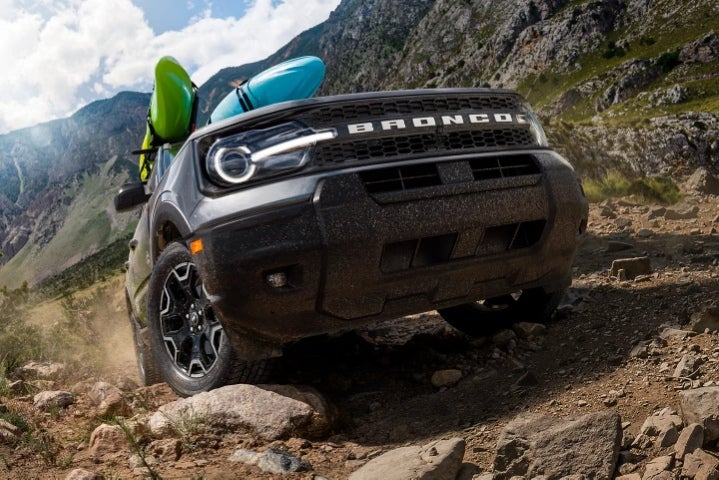
2025-bronco-sport-with-kayaks

Ford Bronco vs Bronco Sport: Which Off-Road SUV Is Right for You?

Choosing between the Bronco and Bronco Sport comes down to how far off-road you want to go. The Bronco is larger, has more power and a higher ground clearance, perfect for serious off-roading adventures into the Cascade Mountains. The Sport is smaller and is more practical and fuel-efficient, making it perfect for commuting and weekend camping trips to Dash Point State Park. Design and Dimensions: Size Matters in Off-Road Performance The Bronco comes in seven trims with two or four doors. A Ford Bronco costs $39,995 MSRP. Bronco's rugged exterior, wide stance, and all-terrain tires give it an imposing stance. The removable roof and doors are perfect to enjoy the fresh air and brightness of Tacoma summers. Its body-on-frame design supports the engine, suspension, and drivetrain, making it ideal for serious off-road adventures and towing boats or campers on your Tacoma outdoor adventures. Its ground clearance ranges from 8.3 to 11.6 inches depending on your trim and options. The Ford Bronco Raptor has the upgraded HOSS 4.0 system (High-performance Off-road Stability Suspension), raising the Raptor's ground clearance to 13.1 inches, which allows you to tackle the most treacherous trails in the Capitol State Forest. The Bronco Sport has a unibody design, integrating the body and chassis into one cohesive construction. Unibody designs use fewer parts and have a lighter weight, which makes the Bronco Sport a more efficient Tacoma commuter vehicle. With 8.8 inches of ground clearance and up to 23.6 inches of water-fording capability, you can take the Sport on adventures in Wildwood Park. Interior Space and Passenger Capacity All Bronco models seat four or five passengers. Four-door Bronco SUVs have 35.6 cu-ft of cargo space that expands to 77.6 cu-ft with the back seat folded, while the two-door has 22.4 cu-ft behind the back seat and 52.3 cu-ft with the seat folded. Every Bronco Sport has four doors and seats up to five passengers. Despite the Bronco Sport's smaller overall dimensions, it has a generous cargo space of 33 to 65 cu-ft. Performance and Capability: Where the Differences Shine You have three engine options with the Bronco and two engine options for the Bronco Sport. Engine Options and Power Output Here's a look at the engine options and power output: Bronco Engine HP / Lb-Ft Torque Bronco Sport Engine HP / Lb-Ft Torque 2.3-Liter I-4 300 / 325 1.5-Liter I-3 180 / 200 2.7-Liter V-6 330 / 415 2.0-Liter I-4 250 / 280 3.0-Liter V-6 418 / 440 — — Transmission and Drivetrain Systems Both the Ford Bronco and Bronco Sport have standard 4x4 capability and either a seven-speed manual or a ten-speed automatic transmission. The Bronco comes standard with Trail Turn Assist, Trail Control, Trail 1-Pedal Drive, and AdvanceTrac with Roll Stability Control. Ford's available HOSS systems provide confident driving and impressive handling in the harshest Tacoma environments, such as the Naches Pass Trail. Off-Road Performance Capabilities The Ford Bronco has excellent off-road performance capabilities, including: 37 inches of water-fording Up to 13.1 inches of ground clearance 47.2-degree approach angle The Bronco Sport's off-road specs are: 23.6 inches of water-fording Up to 8.8 inches of ground clearance 30.4-degree approach angle Towing and Payload Specifications The Ford Bronco can tow up to 4,500 pounds. Combine these figures with the cargo capacity, and the Bronco is your ideal companion on your Tacoma outdoor camping trips, hauling your boat and gear with ease. The Bronco Sport can tow up to 2,700 pounds with the Class II trailer hitch. That's plenty of power to bring a small camper into the Washington wilds. Fuel Economy and Efficiency Bronco four-cylinder models with the automatic transmission have the best economy ratings of 20/22 mpg city/highway. The V-6 engine paired with the Sasquatch Package rates at 17/17 mpg city/highway. Bronco Sport models with the 1.5-liter engine get 25/30 mpg city/highway, and the 2.0-liter engine is rated at 21/27 mpg city/highway. Technology and Interior Features Bronco has a 12.0-inch infotainment touchscreen powered by Ford's SYNC 4 operating system. The SYNC 4 OS has smartphone integration, letting you access your favorite podcasts, stream music, make calls, and more using intuitive voice commands. This hands-free capability lets you keep your eyes on the road or trail ahead instead of fumbling for controls. The Bronco offers premium cloth or marine-grade vinyl upholstery that makes cleanup simple after a day off-roading with no doors or roof. Higher trims have signature upholstery like plaid inserts and leather-trimmed options. Bronco Sport focuses more on comfortable upholstery for daily driving, offering cloth, premium-trimmed, or leather-trimmed seats. Both vehicles offer dual-zone climate control systems that let you adjust the temperature for ideal comfort, perfect for the various seasons. Bronco models have a rear climate control system that caters to your back seat riders. The Bronco and Bronco Sport have plenty of practical in-cabin storage solutions. Bronco has an available MOLLE (Modular Lightweight Load-Carrying Equipment) strap system that fits on the back of the front seats. MOLLE has pouches, straps, and hangers to attach your smaller tools and equipment that enhance your outdoor activities like hiking in Mount Ranier National Park. Safety and Driver Assistance Ford's Co-Pilot360 is a comprehensive suite of driver assistance technologies: Pre-Collision Assist with emergency braking BLIS Blind-Spot Information System Lane Keeping System Adaptive Cruise Control Evasive Steering Assist Automatic High Beams Rear-view camera system with parking sensors Available Co-Pilot360 systems include: 360-degree camera system Reverse brake assist Front parking sensors This standard suite instills confidence while navigating I-5 rush hour traffic. The available driver assistance systems help you navigate tight parking spots around Tacoma or tight trails in the Capitol State Forest. Which One Should You Choose? The serious off-road adventurer will want the Bronco and all its rugged equipment to tackle harsh terrain. A casual off-road enthusiast may prefer the Bronco Sport, especially if they plan to use it for daily commutes through the city. Consider what level of 4x4 capability you want and how often you intend to need it. If you need your vehicle for longer commutes, the Bronco Sport is the more economical option. Test Drive the Bronco and Bronco Sport Today Want to experience both vehicles before making a decision? Contact us to schedule a test drive or stop by our showroom and speak with one of our friendly, knowledgeable staff. They'll answer your questions and let you take both SUVs for a spin.

Spooktacular Tacoma: Family-Friendly Halloween Fun Around Tacoma

https://www.pexels.com/photo/halloween-themed-jack-o-lantern-lamp-near-october-31-calendar-1480861/ by Artie Siegel is licensed with Pexels License Autumn has officially landed in Tacoma, bringing with it cool breezes, glowing pumpkins, and that perfect hint of spooky magic in the air. If you’re searching for ways to celebrate Halloween with your little ghouls and goblins—without venturing too far from home—you’re in luck! We’ve rounded up some of the best Halloween events happening within about a 30-minute drive of Tacoma, WA. Each offers a safe, festive, and memorable experience for families of all ages. 1. Zoo Boo at Point Defiance Zoo & Aquarium Got kids who love animals and candy? Zoo Boo is a can’t-miss tradition. Taking place October 18–19, 2025, from 9:00 a.m. to 3:00 p.m., this lively celebration invites families to enjoy the zoo in costume, meet costumed animals, play themed games, and even catch a glimpse of underwater pumpkin carving! Admission is included with your zoo ticket or membership. It’s a wonderful, daytime Halloween event that’s perfect for younger children and just minutes from downtown Tacoma. 2. Tacoma Halloween Parade & Street Fair For those who love a big community celebration, the Tacoma Halloween Parade and Street Fair is a highlight of the season. Scheduled for October 18, this all-ages event features colorful floats, live performances, costumed walkers, and plenty of trick-or-treating opportunities along McKinley Avenue. The accompanying street fair runs through the afternoon and evening, offering food, music, and family activities all for free. 3. Harvest Fest at People’s Community Center If you prefer a relaxed and cozy atmosphere, Harvest Fest is a great choice. Happening on October 31, 2025, from 4:00–6:00 p.m., the event offers crafts, costume contests, pool activities, and take-home treat bags. Admission is free (or $5 for non-members), and no registration is required. This is an excellent option for families with young kids who want lighthearted fun instead of spooky scares. 4. Haunted Night at Eastside Community Center Looking for a little Halloween thrill without going overboard? The E astside Community Center’s Haunted Night has you covered. Hosted by Metro Parks Tacoma, this event includes a family-friendly haunted house, themed games, photo booths, and sweet treats. It’s suitable for all ages, though kids under 10 will need an adult along for the adventure. Local, low-cost, and easy to get to—it’s a great way to enjoy Halloween night close to home. 5. Trunk or Treat at LeMay America’s Car Museum Combine your love of cars and candy at LeMay’s annual Trunk or Treat! Families can explore the museum grounds, visit creatively decorated vehicles, and collect treats from each stop. This event provides a safe, festive environment where kids can show off their costumes while surrounded by classic cars. It’s a truly unique Tacoma Halloween experience that families come back to year after year. 6. Frighthouse Station If your crew is brave enough for a bit more fright, check out Frighthouse Station, Tacoma’s legendary haunted house attraction. With more than 30 themed rooms and an immersive storyline, it’s a local favorite among those who enjoy a pulse-raising experience. Just be sure to review the age recommendations before bringing younger kids, it’s on the spookier side! 7. Halloween on the Hill – Tacoma Community House Halloween on the Hill, happening October 25 from 3:00–5:00 p.m., offers another fun, community-centered option. Hosted by Tacoma Community House, this free trunk-or-treat event provides a safe and welcoming place for kids to collect candy, play games, and enjoy Halloween festivities close to home. 8. Haunted Theatre at Tacoma City Theaters Prefer your Halloween with a creative twist? The Haunted Theatre performance transforms Tacoma City Theaters into a dance-filled showcase of witches, skeletons, pumpkins, and ghosts. This lively production offers just the right mix of eerie and entertaining—perfect for families who appreciate the arts and want an indoor option when the fall weather turns chilly. Your Family’s Halloween Plan (Plus a Note from Titus-Will Toyota) There you have it, eight fantastic ways to celebrate Halloween in and around Tacoma! From the animal antics at Zoo Boo to the community excitement of the parade, cozy trunk-or-treats, and even thrilling haunted houses, there’s something for every family to enjoy. To make the most of the season, plan a mix of events: attend a big celebration like the parade or Zoo Boo, sprinkle in a few smaller community gatherings, and save a haunted attraction or two for the weekend before Halloween. And if your spooky season adventures have you driving all around Tacoma, don’t forget to stop by Titus Will Ford; we’d love to help you find your next reliable ride for all your family outings. Happy Halloween, Tacoma!

Which SUV Is Bigger: Ford Edge or Ford Escape for Families?

Drivers looking for family-friendly vehicles often ask us what's the difference between the Ford Escape and the Ford Edge. On the surface, the answer might seem simple: the Ford Edge is bigger. But there's a lot more to each of these SUVs than size. Find out which Ford vehicle is perfect for your family's next road trip through the Pacific Northwest or commute down I-5, or visit us at Titus-Will Ford in Tacoma to compare the Edge and the Escape side by side. Detailed Size Comparison: Dimensions That Matter for Families yellow car parked on the side of the road by FourFour is licensed with the Unsplash License When comparing the Ford Escape vs. Edge, Tacoma families will notice clear size differences. The Edge is a midsize SUV with plenty of space for Costco hauls and sports gear, while the Escape is a compact crossover that can easily maneuver around the North End. Exterior Dimensions Breakdown So, between the Ford Edge and Escape, which is bigger? Here's a side-by-side comparison: Dimension** Ford Edge Ford Escape Length 188.8 inches180.1 inches Width (Without Mirrors) 75.9 inches74.1 inches Height 68.3 inches66.0 inches Wheelbase 112.2 inches106.7 inches Ground Clearance**8.0 inches7.5 inches Interior Space Analysis Let's keep comparing Ford Edge vs. Ford Escape specs by taking a closer look at the interior space. The midsize Edge offers more total passenger volume and cargo capacity for Tacoma families, while the Escape still provides plenty of room for everyday needs. Both vehicles seat five, but neither has a third row. If that's a dealbreaker, we suggest looking at the Ford Explorer. Dimension** Ford Edge Ford Escape Passenger Volume 113.9 cubic feet104 cubic feet Seating Capacity 55 Front Legroom 42.6 inches42.4 inches Rear Legroom 40.6 inches40.7 inches Cargo Behind Second Row 39.2 cubic feet37.5 cubic feet Max Cargo Capacity**73.4 cubic feet65.4 cubic feet Family-Focused Features Comparison If you have a family, there's more to consider than just size in the Ford Escape vs. Ford Edge debate. Safety is also a top concern. Both SUVs come standard with Ford Co-Pilot360 driver-assist technology, which includes lane-keeping assist, blind-spot monitoring, and automated emergency braking. You'll also find plenty of family-friendly convenience features in the Escape and the Edge, including: Multiple storage cubbies and cup holders Apple CarPlay and Android Auto Available WiFi hotspot There are also a few differences worth pointing out, so here's a side-by-side features comparison: Feature** Ford Edge Ford Escape Infotainment (Standard) 12-inch SYNC 4A screen8.0-inch SYNC 4 screen Climate Control (Standard) Dual-zoneDual-zone Audio Options (Available)** 12-speaker Bang & Olufsen 10-speaker B&O Play Performance and Practicality for Family Life The Edge offers more power and towing strength, but the Escape excels in terms of fuel economy thanks to its hybrid variant. For daily commutes down I-5, the Escape makes fuel costs easier to manage. But if you're hauling a heavy camper up Mount Rainier, you might want to opt for the Edge. Feature** Ford Edge Ford Escape Standard Engine 2.0-liter I-4 EcoBoost1.5-liter I-3 Turbo Horsepower 250 hp180 hp Torque 280 lb-ft199 lb-ft Available Engines 2.7-liter V6 EcoBoost2.0-liter I-4 Turbo / 2.5-liter hybrid / Plug-in hybrid Fuel Economy (MPG) 21 city / 28 highway27 city / 34 highway (Hybrid up to 42/36) Towing Capacity 3,500 lbs2,000 lbs AWD Capability**Standard AWDAvailable AWD Which SUV Better Fits Different Family Scenarios As we wrap up our Ford Edge and Escape comparison, let's take a closer look at which model is better suited for different family needs. Small families (2-3 people): The Escape is affordable, fuel-efficient, and easy to park in Tacoma. Growing families (4-5 people): The Edge offers more cargo room and rear seat space. Families with teenagers: The Edge provides extra legroom for growing teens. Active families: The Escape Hybrid will get you the best fuel savings on your next Pacific Northwest road trip. For families with more than two or three kids, we recommend upgrading to the Ford Explorer to unlock third-row seating. Is the Ford Edge Being Discontinued, and How Does That Affect My Decision? The Edge was officially phased out in 2025. While new models aren't being produced, Tacoma drivers can still purchase a used or certified pre-owned Edge with confidence. Titus-Will Ford continues to provide full service, warranty coverage, and genuine parts support so your investment remains safe. Which Has Better Reliability for Long-Term Family Use? According to RepairPal, the Ford Escape and Ford Edge both score above average in terms of reliability. Each model costs roughly $600 per year in average repair costs and requires less than one annual trip to the mechanic. That's great news for Tacoma drivers who need a reliable vehicle to get them around town or travel to Seattle on the weekend. How Do These Compare To Other Family SUV Alternatives? We've already briefly mentioned the Ford Explorer as an alternative for families who need more seating, but drivers often consider other models like the Toyota RAV4 and Honda CR-V when shopping in Tacoma, too. Here's a quick comparison to help you decide which option is best: Model Category Max Cargo Capacity MPG (City/Hwy) Seating Ford Escape Compact 65.4 cubic feet 27 / 34 5 Ford Edge Midsize 73.4 cubic feet 21 / 28 5 Toyota RAV4 Compact 69.8 cubic feet 27 / 35 5 Honda CR-V Compact 76.5 cubic feet 28 / 34 5 Ford Explorer Midsize 85.8 cubic feet 18 / 26 6–7 What's the Real-World Difference in Daily Driving? The compact Ford Escape makes city life easier, especially when you need to find parking near the waterfront at Point Ruston. However, the midsize Ford Edge excels on the open road. Whether you find yourself commuting down I-5 into Seattle or tackling the snowy roads up Crystal Mountain, it has all the power you'll need. Final Recommendation: Making the Right Choice for Your Family So, which is better, the Ford Edge or Escape? It's time for you to decide. Are you looking for an SUV with more space for passengers and cargo? Then the Edge might be the right fit. Prefer something more nimble and fuel-efficient? The Escape could be the perfect family-friendly option, but there's only one way to find out. Schedule a test drive at Titus-Will Ford today to get behind the wheel of both of these vehicles and see how they handle on Tacoma's roads.

Exploring Tacoma’s Farmers Market Scene

Tacoma and its surrounding communities host a vibrant farmers market culture that brings together local growers, artisan food producers, craftspeople, and neighbors seeking fresh, seasonal goods. Whether you’re a longtime Tacoma resident or passing through, you’ll find markets that deliver excellent quality, community spirit, and variety. Below are some of the top picks to know, along with where and when to visit them. Downtown Anchor: Broadway Farmers Market Person Giving Fruit to Another by Erik Scheel is licensed with Pexels License The Broadway Farmers Market anchors the downtown Tacoma market scene. Located along Broadway between 9th and 11th Streets, this market runs on Thursdays from 10 a.m. to 2 p.m. (typically April–September). What makes Broadway special: It draws over 60 vendors lining the street, offering everything from farm-fresh produce to baked goods, prepared foods, specialty foods, and artisan crafts. The market is well-connected to downtown transit, and there are local parking options (e.g. Rhodes Center garage, Pierce Transit garage) nearby. The organizers make efforts toward accessibility: the market accepts credit/debit, EBT/SNAP, WIC, and participates in SNAP Market Match programs. In addition to shopping, the market often includes live music, hot food vendors, and a welcoming atmosphere that turns it into a weekly downtown event. For more information and the vendor map, see the official Broadway Farmers Market site: Broadway Farmers Market Neighborhood Favorite: Proctor Farmers Market If you prefer weekend shopping or want a market that works around your schedule, Proctor Farmers Market is a standout. It operates Saturdays (9 a.m.–2 p.m. during regular season; limited winter hours in January–March) at N. 27th and Proctor Street in Tacoma. What distinguishes Proctor: It’s year-round, though with a reduced winter schedule, so you can access fresh goods even when other markets have closed. It’s nestled in a walkable, lively neighborhood of Tacoma, so combining market shopping with nearby cafés, shops, or errands is convenient. The variety of goods is strong: you’ll find produce, meats, seafood, artisan foods, and more. It participates with Washington nutrition incentives and often includes live music, giving it a community feel. To check seasonal schedules and vendor details, see the Proctor Farmers Market listings. Midweek & Eastside Options: 6th Avenue & Eastside Markets If Thursday (Broadway) or Saturday (Proctor) don’t work for you, the Tacoma Farmers Market system spans additional locations. 6th Avenue (Tacoma Farmers Markets – 6th & Pine) This market typically operates Tuesdays, 3 p.m. to 7 p.m. (May through September). You’ll find familiar staples; produce, baked goods, crafts, flowers, artisan foods, and often the same vendor network tied to the Tacoma Farmers Market umbrella. Payment options include credit cards, WIC (Farmers Market Nutrition Program), and senior vouchers. You can learn more at Tacoma Farmers Markets Eastside / Eastside Community Center Market In prior seasons, the market has operated Tuesdays, 3–7 p.m., at the Eastside Community Center (1721 E 56th St) during summer months (June through August). This move was designed to ensure continued accessibility for the Eastside Tacoma community, following relocation from its previous McKinley Avenue site. Vendors generally include produce, specialty food items, and goods similar to those at the other Tacoma Farmers Market venues. You can often find a rotating schedule or map of these additional Tacoma Farmers Market sites at Tacoma Farmers Markets Regional Powerhouse: Puyallup Farmers Market If you’re willing to take a short drive, the Puyallup Farmers Market in nearby Puyallup is often considered one of the must-visit markets in Pierce County. It runs Saturdays, 9 a.m. to 2 p.m., typically from April through October. With over 150 vendors in peak season and over 360 applications, it offers an expansive array of produce, artisan foods, international flavors, and floral/plant vendors. Its layout includes an indoor/outdoor pavilion that mitigates weather disruptions, making it a reliable weekend destination. The market’s scale, variety, and reputation make it a regional draw and a favorite among local food enthusiasts. For details, see regional guides or Puyallup’s local market site (often listed under Pierce County agritourism pages). Tips for Enjoying Tacoma’s Farmers Markets Arrive Early – The best produce, baked goods, and popular items tend to go early. Bring Reusable Bags & Cash – Though many markets now accept credit cards and EBT/SNAP, small vendors sometimes prefer or require cash. Plan Your Route – If you want to hit multiple markets in a day (e.g. Tuesday 6th Avenue, Thursday Broadway, Saturday Proctor), map them out in advance. Watch for Special Events – Some markets feature live music, cooking demos, kids’ activities, or seasonal events like the Haunted Market. Consult Official Sources – Market schedules can change—official websites or local agritourism pages are your best reference. Final Thoughts Tacoma’s farmers market ecosystem is richer than many give it credit for. From the bustling downtown Broadway market to the neighborhood charm of Proctor, midweek flexibility at 6th Avenue, and regional strength at Puyallup, there’s likely a market that fits your schedule, tastes, and neighborhood. Whether you're shopping for dinner, exploring artisan goods, or simply enjoying a Saturday morning stroll, Tacoma’s markets invite you to connect with local growers, food producers, and neighbors.

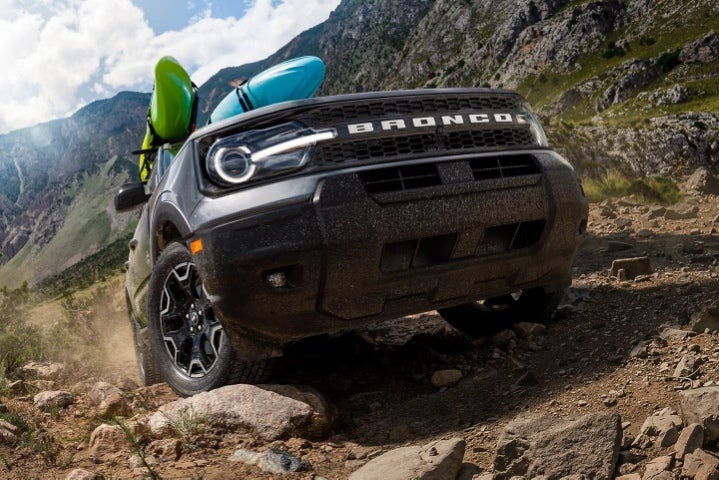
2025-bronco-sport-with-kayaks

2025 Ford Bronco vs. Jeep Wrangler

The battle between the 2025 Ford Bronco and the 2025 Jeep Wrangler pits two off-road giants against each other in an all-American showdown. These rugged machines carry decades of terrain-conquering DNA and trailblazing history. If you're a Tacoma adventurer looking to tackle Olympic Peninsula mud or Cascade Mountain trails, the choice between these two capable SUVs matters — and the differences might surprise you. Engine Performance and Powertrain Options The 2025 Bronco holds a 2.3-liter turbocharged four-cylinder engine that produces 300 horsepower and 325 lb-ft of torque. This base-level engine pairs with a 10-speed automatic transmission for extra smooth handling. The 2.7-liter twin-turbo V-6 engine delivers 330 horsepower and 415 lb-ft of torque, while the Raptor trim's 3.0-liter turbo V-6 engine cranks out 418 horsepower and 440 lb-ft of torque. Tuned Raptor variants can reach an impressive 450 horsepower with 510 lb-ft of torque. The Jeep Wrangler's standard 3.6-liter V-6 engine produces 285 horsepower and 260 lb-ft of torque. You can choose between a six-speed manual transmission or an eight-speed automatic transmission. The 2.0-liter turbo-four engine delivers 270 horsepower with 295 lb-ft of torque, and the Rubicon 392 Final Edition is equipped with a 6.4-liter V-8 engine producing 470 horsepower and 470 lb-ft of torque. Off-Road Capabilities: Where Legends Are Born Ford's G.O.A.T. Modes system, which literally means "Goes Over Any Terrain," offers seven driving modes: Normal, Eco, Slippery, Sand, Mud/Ruts, Rock Crawl, and Baja. The Bronco delivers ground clearance of up to 13.1 inches, beating the Wrangler's 12.9-inch maximum, with approach angles hitting as much as 47.2 degrees. It also wades through water with a depth of up to 37 inches — 3 inches more than the Wrangler's 34-inch limit. Jeep's Rubicon trim offers 10.8 inches of ground clearance with approach angles of up to 44 degrees. The Xtreme Recon Package delivers 47.4-degree approach angles and 40.4-degree departure angles. The Rock-Trac and Command-Trac transfer cases provide solid four-wheel-drive performance, while an electronic sway-bar disconnect allows maximum wheel articulation on technical trails. On-Road Driving Experience and Handling The Ford Bronco wins hands down for daily driving comfort. Its independent front suspension makes highway trips and city driving more civilized, and although you won't get sports-car handling, the Bronco feels more planted when traveling at high speeds. Its modern suspension reduces that tippy feeling over bumpy terrain, while maintaining ground clearance. The Wrangler drives like a truck, with a bouncy, sometimes jarring ride, especially in two-door models. The four-door versions smooth things out a little, but you'll still feel every bump. Those removable doors and tops create wind noise at highway speeds — the price you pay for that classic Jeep experience. Interior Space, Comfort, and Practicality The four-door Bronco offers 35.6 cubic feet of cargo space behind rear seats and 77.6 cubic feet with them folded. Passenger space in the four-door soft-tops is 108.2 cubic feet, with 36.3 inches of rear legroom. Legroom for front passengers in two-door Broncos is 43.1 inches, while rear passengers get 35.7 inches. Jeep's four-door Wrangler provides 31.7 cubic feet of space behind the back row and 72.4 cubic feet with all seats down (slightly less on the 4xe). Two-door models have 12.9 and 31.7 cubic feet of cargo space, respectively. Two-door Wranglers offer front legroom of 41.2 inches and rear legroom of 35.7 inches, while four-door models provide 38.2 inches of rear legroom. Both the Jeep and Ford vehicles feature materials that can handle muddy boots and wet gear. The Bronco, however, offers a more luxurious feel, with marine-grade vinyl available on some trims. Technology and Infotainment Systems The Bronco's standard tech includes wireless connectivity to Android Auto and Apple CarPlay, Wi-Fi hot spot, Bluetooth, remote start, and a 12-inch digital dash (in higher trims) paired with a 12-inch touch screen running Ford's SYNC 4 system. Ford's over-the-air updates provide a future-proofing advantage, and household-style power outlets and wireless phone charging are a huge help on camping trips. There's also a Bang & Olufsen 10-speaker setup available on higher trims for impressive sound quality. Jeep's Wrangler offers a 3.5-inch driver display, Wi-Fi, wireless Apple CarPlay and Android Auto connectivity, and a 12.3-inch touch screen with Uconnect 5. Optional features include a 7-inch digital gauge display, an Alpine 12-speaker audio system, and trail cameras for rock-crawling assistance. Safety Ratings and Driver-Assistance Features Ford's Co-Pilot360 comes standard with forward collision warnings, automatic emergency braking, blind-spot monitoring, rear cross-traffic alerts, and a lane-keeping system. Adaptive cruise control is also available. The 2025 Wrangler offers an advanced airbag system, electronic roll prevention, and stability control. Standard features include a backup camera and hill-start assist. Optional extras include adaptive cruise control, blind-spot warnings, and forward collision alerts. Fuel Economy and Range Analysis Nobody buys these off-roading vehicles for gas mileage, but it's still a factor that matters. The most efficient Bronco is the base 2.3-liter turbo, which returns 20 mpg in the city and 22 mpg on the highway — perhaps not the most eco-friendly vehicle out there, but not too bad considering all the drivetrain components and rugged capability you're getting. The 2.7-liter V-6 engine's numbers drop to 17/19 mpg city/highway, and from the Raptor trim, you can expect around 15 mpg in the city and 16 to 19 mpg on the highway, depending on its setup. Plan your gas budget accordingly for those weekend trips to Olympic National Park. Jeep's base V-6 engine with manual transmission gets 17 mpg in the city and 23 mpg on the highway — automatic transmission bumps that up by 1 mpg. The 2.0-liter turbo-four engine returns 20 mpg in the city and 22 mpg on the highway, while the fire-breathing V-8 engine burns premium gas at 13 mpg in the city and 16 mpg on the highway. The game-changer here is the 4xe hybrid model, with an EPA rating of 49 MPGe and 21 miles of all-electric range. Towing Capacity and Utility Features If you need to tow your boat to Lake Washington or Lake Chelan, most Broncos can easily pull anything weighing up to 3,500 pounds. Choose the Raptor trim, and that number jumps to 4,500 pounds, while the Wrangler Rubicon four-door model can tow up to 5,000 pounds when properly equipped. If you enjoy a Pacific Northwest adventure, both vehicles offer decent capability for hauling camping trailers or small boats. Both options include recovery points and tow hooks on the front and rear, so you can get unstuck if needed. The roof and door removal systems allow you to enjoy those perfect summer days, though many owners find the Bronco's setup more user-friendly for quick changes. Either vehicle includes accessory mounting points to add bike racks, cargo carriers, or extra lighting for those early morning fishing trips or late evening returns from mountain escapes. Your Off-Road Adventure Awaits While hardcore rock crawlers might prefer the Wrangler's solid axle setup and its 500 pounds of extra towing power, for families who need a capable off-roader for weekend adventures and a smooth ride for everyday comfort, the Ford Bronco is the superior option. Visit or contact us at Titus-Will Ford in Tacoma to schedule a test-drive and experience the 2025 Ford Bronco for yourself. Our friendly team is always happy to give you expert guidance for your Northwest adventures.

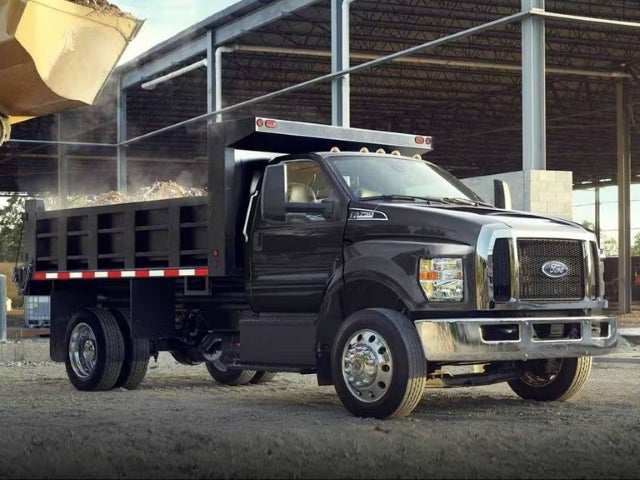
Commercial ford dump truck.

Save Big With Commercial Vehicle Tax Incentives: Navigating Section 179 for Maximum Savings

If you're a business owner who uses vehicles for work, you may have options to reduce your tax. How? The answer is section 179. This tax rule allows you to deduct the full purchase price of your work vehicle, although there are criteria and potential limitations you need to be aware of. This guide will explore everything you need to know about section 179 and how it applies to Ford's commercial vehicles, in Tacoma and beyond. What Is Section 179? Section 179 of the IRS tax code allows businesses to deduct the full cost of work vehicles from their taxes. You can deduct the full purchase amount in the same year you began using the vehicle, rather than expensing that cost over several years through depreciation. Eligibility Criteria for Section 179 Deductions for Vehicles While most businesses and vehicles are eligible, there are some exceptions. Who Can Claim the Deduction? Nearly any business that buys or finances their cars for business use can claim the section 179 deduction. You'll need to use the vehicle for business purposes over 50% of the time, and you will scale the deduction amount based on your actual use. Sole proprietors, LLCs, partnerships, and corporations can all benefit. Types of Businesses That Benefit the Most Industries that rely on equipment or vehicles (such as construction, transportation, landscaping, and delivery services) often use section 179 to reduce tax liability and take advantage of operational upgrades. However, small businesses across other sectors can benefit as well, whether you're investing in new computers or commercial trucks. How Section 179 Applies to Commercial Vehicles Eligible commercial vehicles fall into three categories based on their gross vehicle weight rating (GVWR), which determines the section 179 deduction limitations. Vehicle Category** GVWR Examples 2025 Section 179 Limit**Vocational or heavy-duty vehiclesOver 14,000 poundsCement mixers, garbage trucks, large delivery vansUp to full deduction (max $1,250,000 up to phase-out)Heavy SUVs, trucks, and vansBetween 6,000 and 14,000 poundsFull-size SUVs, large pickup trucks, commercial vans$31,300Passenger vehicles and light-duty trucksUnder 6,000 poundsSedans, small pickups, crossover SUVs$20,400 Diving Into Section 179 Vehicle Tax Deduction Limits Here's how the deductions work for the 2025 tax year: Maximum deduction: $1,250,000 total per tax year Phase-out threshold: Begins after $3,130,000 in qualifying equipment Heavy SUVs/trucks: $31,300 deduction limit Passenger vehicles: $20,400 deduction limit Bonus depreciation: 40% additional deduction on costs beyond section 179 limits in 2025 A section 179 deduction can reduce your taxable income, so you have more cash available for other business needs. Importantly, this deduction applies to both new and used qualifying vehicles. Comparing 2025 to Previous Years: What's Changed? The 2025 limit has increased by 2.5% from 2024. The SUV limit rose by $800 to $31,300, and the overall phase-out threshold increased to $3,130,000. Bonus depreciation rates have also been decreased from 60% to 40%. The "Hummer Tax Deduction" Explained Section 179 was once jokingly nicknamed the “Hummer tax deduction” because some business owners took advantage of its high limits to deduct the cost of expensive vehicles such as Hummers. Calculating Deductions for Vehicles Used for Business and Personal Purposes You'll get the best benefit from section 179 if you use the vehicle solely for business purposes. If you use your vehicle for personal use too, you'll need to calculate accordingly. The amount you can deduct is based on the percentage of time you use the vehicle for business. For example, if you only use a truck for work 70% of the time, you can only deduct 70% of the section 179 limit. Make sure you keep thorough documentation of your business use, such as mileage logs and usage records, in case you're audited and need to prove your business use. Section 179 and Preowned Vehicles: Are You Eligible? Both new and used vehicles qualify for section 179 as long as you buy them and put them into service within the same tax year and use them for business at least 50% of the time. Tax Savings on Preowned Vehicles There are both pros and cons of using preowned vehicles for tax savings. Pros Pros include: Lower upfront cost but same tax benefits Preowned vehicles and those bought with financing qualify for section 179 Can claim up to $31,300 in 2025, regardless of new or used Can combine with bonus depreciation Cons Cons may include: Potential maintenance concerns Vehicle must be used for business at least half the time You must keep detailed records Less benefit for purchases over $3,130,000 Less benefit for passenger vehicles under 6,000 pounds The Role of Bonus Depreciation in Section 179 Bonus depreciation applies to qualified vehicle costs over section 179 limits or ones that don't meet it's eligibility rules. For 2025, you can claim 40% bonus depreciation in addition to section 179 deductions. A common strategy is to apply section 179 up to the deduction limit, and then use bonus depreciation on any remaining cost. Financing Your Section 179 Commercial Vehicle Purchase You can deduct vehicles you've bought directly or financed. Leasing doesn't qualify for section 179, but purchasing with loans or other financing methods does. Buying vehicles allows immediate deductions under section 179, while leasing generally results in deductions based on lease payments instead of the vehicle's full purchase price. Practical Steps To Claim Your Section 179 Tax Deduction To claim section 179 tax deductions on your vehicle, follow these steps: Keep your purchase invoices and financing agreements Track your business vs. personal usage Document the date you put your vehicle in service Claim the deduction on the tax return for the year you put the vehicle into service (e.g., by December 31, 2025, for 2025 deductions) FAQs Here are the answers to some frequently asked questions about section 179 and vehicles. Is Section 179 Going Away? Not that we know of. There is no current legislation that suggests section 179 could be removed. What Happens If I Don't Use the Vehicle for Business More Than 50%? If you use the vehicle for business less than 50% of the time, you cannot claim section 179 deductions. However, you may still qualify for standard depreciation. Save With Commercial Vehicle Tax Incentives (Section 179) Tax laws are always changing, so we recommend checking in regularly with your tax advisor if you plan to take advantage of section 179. If you're ready to take advantage of these potential tax benefits, contact or visit us at Titus-Will Ford in Tacoma, Washington, to browse our range of commercial Ford vehicles. Our finance team can walk you through the options and help you save on your next purchase.

ford-escape-interior

2025 Ford Escape vs. Toyota RAV4: Uncover the Best SUV

If you're planning to get a new crossover in Tacoma, Washington, you may have a hard time deciding between the Ford Escape and the Toyota RAV4, as they both have a lot to offer. Take a look at this head-to-head 2025 Ford Escape vs. Toyota RAV4 comparison to find out which one is better for you. 2025 Ford Escape vs. Toyota RAV4: A Comprehensive Comparison The 2025 Ford Escape and the 2025 RAV4 are among the most formidable entries in the fiercely competitive compact SUV segment. They deliver performance, reliability, practicality, and technology that make them stand out from their competitors. Neither crossover received any major updates for 2025, but the RAV4 dropped the TRD Off-Road and Adventure trims from its lineup. While they're both excellent vehicles, the Ford Escape and the Toyota RAV4 have many differences that distinguish them from each other. If you have trouble deciding between the two, using a car comparison tool and reading car reviews can help you make the right choice. Car comparison specifications show you which vehicle is superior in the areas that matter to you, such as performance, interior space, technology, or safety. Performance and Efficiency When you're shopping for a new vehicle, you need to compare all your engine options to determine which model can best meet your needs. If you choose the 2025 Ford Escape, you have a choice of four powertrains. The standard turbo-three engine is rated at 180 horsepower, and there's an optional turbo-four that generates 250 horsepower. To save money at the gas station, consider the hybrid four-cylinder with 192 horsepower or the plug-in hybrid powertrain with 210 horsepower. The 2025 Toyota RAV4's base four-cylinder engine puts out 203 horsepower, making it more powerful than the Escape's default option. The RAV4 is also the winner in the Ford Escape Hybrid vs. Toyota RAV4 Hybrid performance comparison. It delivers 219 horsepower with its hybrid powertrain and 302 horsepower with its plug-in hybrid system. Both the 2025 Escape and the 2025 RAV4 are exceptionally fuel-efficient, but the Ford has a thriftier plug-in hybrid model. The Escape returns up to 27/34 mpg (city/highway) with its standard gas engine, 42/36 mpg with the hybrid, and 101 MPGe with the plug-in hybrid. In contrast, the RAV4 achieves 27/35 mpg with its base engine and 41/38 mpg with its hybrid variant. The EPA estimates the 2025 RAV4 plug-in hybrid achieves 94 MPGe. Design and Dimensions When it comes to the Toyota RAV4 vs. Ford Escape size comparison, the Escape is the larger of the two. The Ford SUV measures 180.1 inches long, 85.6 inches wide, and 66 inches tall. In comparison, the Toyota is 180.9 inches long, 73 inches wide, and 67 inches high. Despite being slightly bigger, the Escape looks sleek and sporty with its tapered nose, graceful curves, and arched roofline. In contrast, the RAV4 features a boxy shape and an upright front end that give it a rugged and imposing appearance. The Ford Escape and the Toyota RAV4 both feature a modern interior with excellent finishes and quality materials. However, the Ford has more passenger space. Front passengers enjoy 42.4 inches of legroom, while those behind get 40.7 inches. As for the Toyota, there is 41 inches of legroom up front and 37.8 inches in the back. However, the RAV4 boasts a larger cargo capacity, offering an impressive 69.8 cubic feet with the rear seats folded. That's 4.4 cubic feet more than the Escape. Technology and Safety Features In the infotainment department, Ford has a slight edge in the 2025 RAV4 vs. Escape contest. Both SUVs come standard with an 8-inch touch-screen display, multiple USB ports, a Wi-Fi hotspot, a six-speaker stereo, wireless smartphone connectivity, and satellite radio. Nonetheless, the Escape offers a larger optional touch screen, which is a massive 13.2-inch unit. In a U.S. News car comparison review, the 2025 Escape and the 2025 RAV4 received outstanding scores of 8.5 and 8.7 out of 10, respectively. In National Highway Traffic Safety Administration crash testing, these two SUVs earned five-star ratings, the highest possible overall score. Moreover, the Escape and RAV4 both provide a long list of driver-assistance technologies to add peace of mind to your journeys. Every Ford Escape model is equipped with lane-keeping assistance, lane departure alert, pedestrian monitoring, blind-spot detection, forward collision alert, automated emergency braking, and rear cross-traffic warning. Standard driver aids in the Toyota include braking assistance, traffic sign recognition, pedestrian monitoring, lane-tracing assistance, lane departure alert, automated high beams, adaptive cruise control, and hill-start assistance. Explore the 2025 Ford Escape Today in Tacoma, Washington The 2025 Ford Escape and the 2025 Toyota RAV4 are remarkably well-rounded vehicles. The choice between the two depends on your budget, driving needs, and lifestyle. If you're interested in getting the latest Ford Escape in Tacoma, consider visiting Titus-Will Ford. Our devoted team of car experts can answer all your questions about the Escape and help you select a model that matches your requirements. Browse our new Ford Inventory now and contact us today to schedule a test drive.

Car getting prepared for vinyl wrap.

Custom Car Wrap Businesses in Tacoma

If you're rolling through Tacoma and want your vehicle to stand out, a custom car wrap is a smart move. Whether you're promoting a business, protecting your paint, or simply showing off your personal style, Tacoma has no shortage of high-quality shops ready to transform your ride. We've rounded up some of the best local spots for custom vehicle wraps—all within a short drive of Tacoma—to help you find the right fit for your car and your budget. Showroom Auto Tinting & Wraps Showroom Auto Tinting & Wraps is well-known in Tacoma for its sleek, professional vehicle wraps. Whether you're after a full color change, commercial branding, or a unique pattern, this shop delivers clean installations and sharp results. They also specialize in window tinting and paint protection film, so you can take care of all your car's style and protection needs in one place. The team is friendly, knowledgeable, and passionate about what they do, making the process smooth from start to finish. Frontline Powder Coating & Wraps Frontline Powder Coatings may be known for their powder coating work, but their custom wrap game is just as strong. Located just outside central Tacoma, this shop takes pride in precision and detail. Their wraps range from matte to metallic, camo to chrome, and everything in between. Frontline is a great pick if you're looking for a shop that can offer custom graphics and design assistance as well. Their attention to detail and craftsmanship make them a standout. WrapJax WrapJax brings some serious style and creativity to Tacoma’s car wrap scene. They focus on high-quality wraps with a design-first approach, helping clients visualize their dream before the vinyl even touches the vehicle. From exotic color shifts to commercial wraps and racing stripes, WrapJax can do it all. Their design consultation is a major plus, and their installation process is as smooth as their wraps. If you're after bold, custom looks, this is a go-to. The Wrap Ninja The Wrap Ninja has a name that says it all—they work fast, clean, and with precision. Known for both flashy and subtle designs, Wrap Ninja offers full wraps, partial wraps, and custom graphics for cars, trucks, and vans. Their Instagram-worthy work and strong reputation for customer service make them a favorite in the Tacoma area. Bonus: they also do ceramic coating and tinting services, giving your ride the complete package. Vinyl Lab Wraps Vinyl Lab Wraps stands out as one of the most experienced and diverse wrap shops near Tacoma. Whether you’re looking to wrap your car, truck, motorcycle, or even a fleet of vehicles, their team can handle it. They offer top-tier brands like 3M and Avery Dennison, so you’re getting quality material every time. Their clean studio and efficient scheduling make the experience stress-free, and they often share behind-the-scenes looks at their projects online, which is great for inspiration. Tacoma’s Custom Wrap Scene Is On Point There’s no shortage of talented vehicle wrap shops in Tacoma. From flashy color changes to full-on branded fleets, these local businesses deliver standout service and serious style. Whether you’re repping your business or just want to turn heads at the next meetup, there’s a shop nearby that can bring your vision to life. While you're out making your ride shine, don't forget to check out Titus-Will Ford for service, accessories, and new vehicle upgrades. Pairing a fresh wrap with a new set of wheels? Now that’s a power move. Tacoma’s streets are full of personality- make sure your car is too.

Contact Us

Fill out this form below and we'll contact you shortly
*Required Fields