Blog / Tacoma Ford Dealer

Blog

All Tacoma Ford Dealer
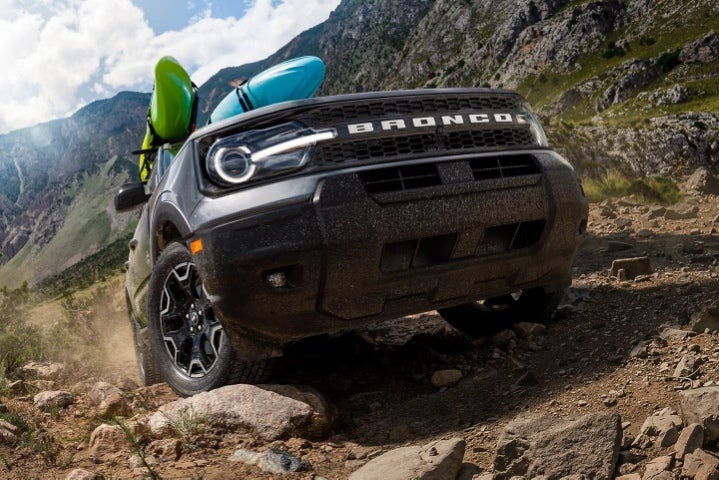
2027_Bronco_RTR_2

2027 Ford Bronco RTR VS 2027 Toyota Land Cruiser

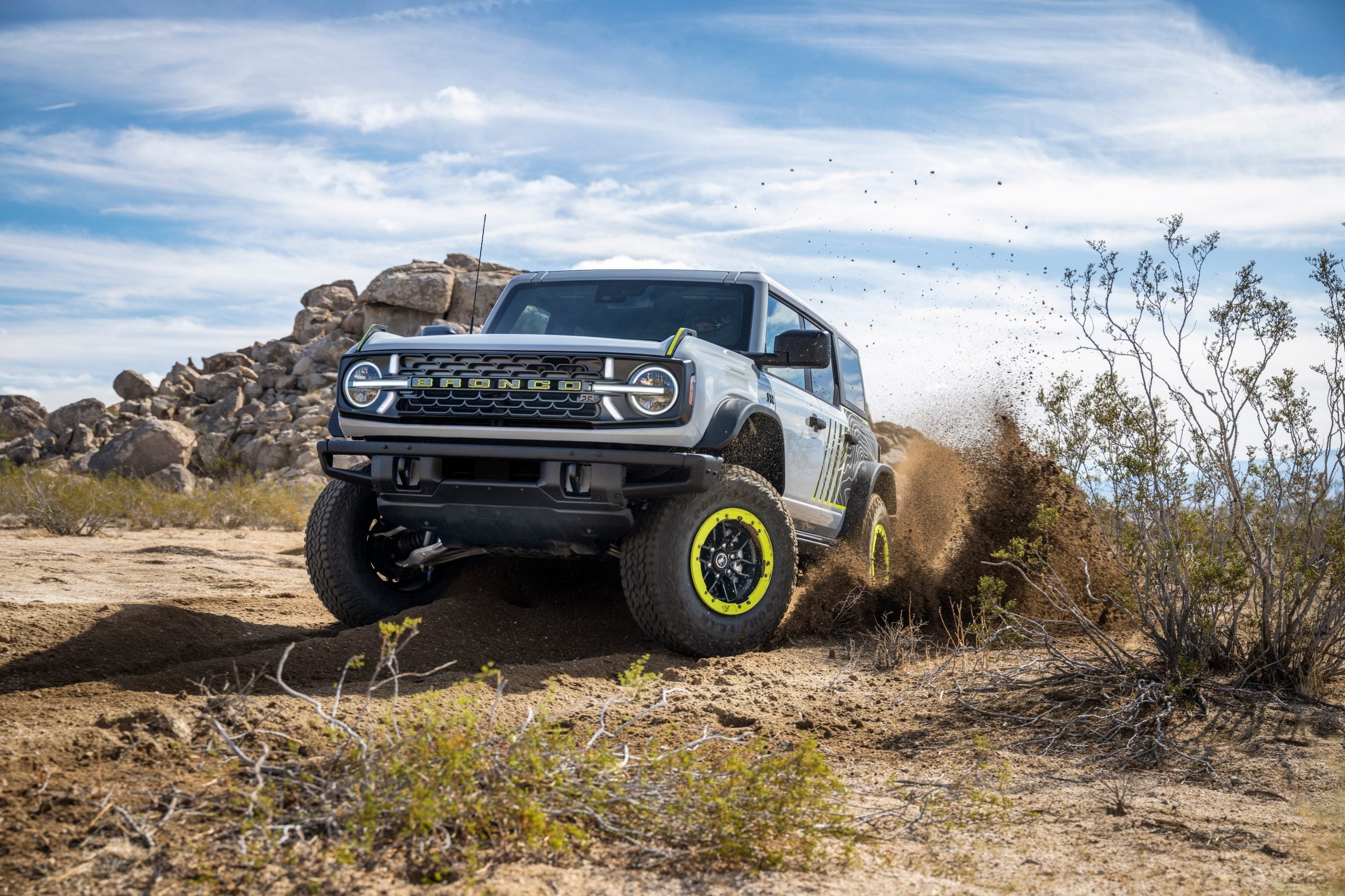
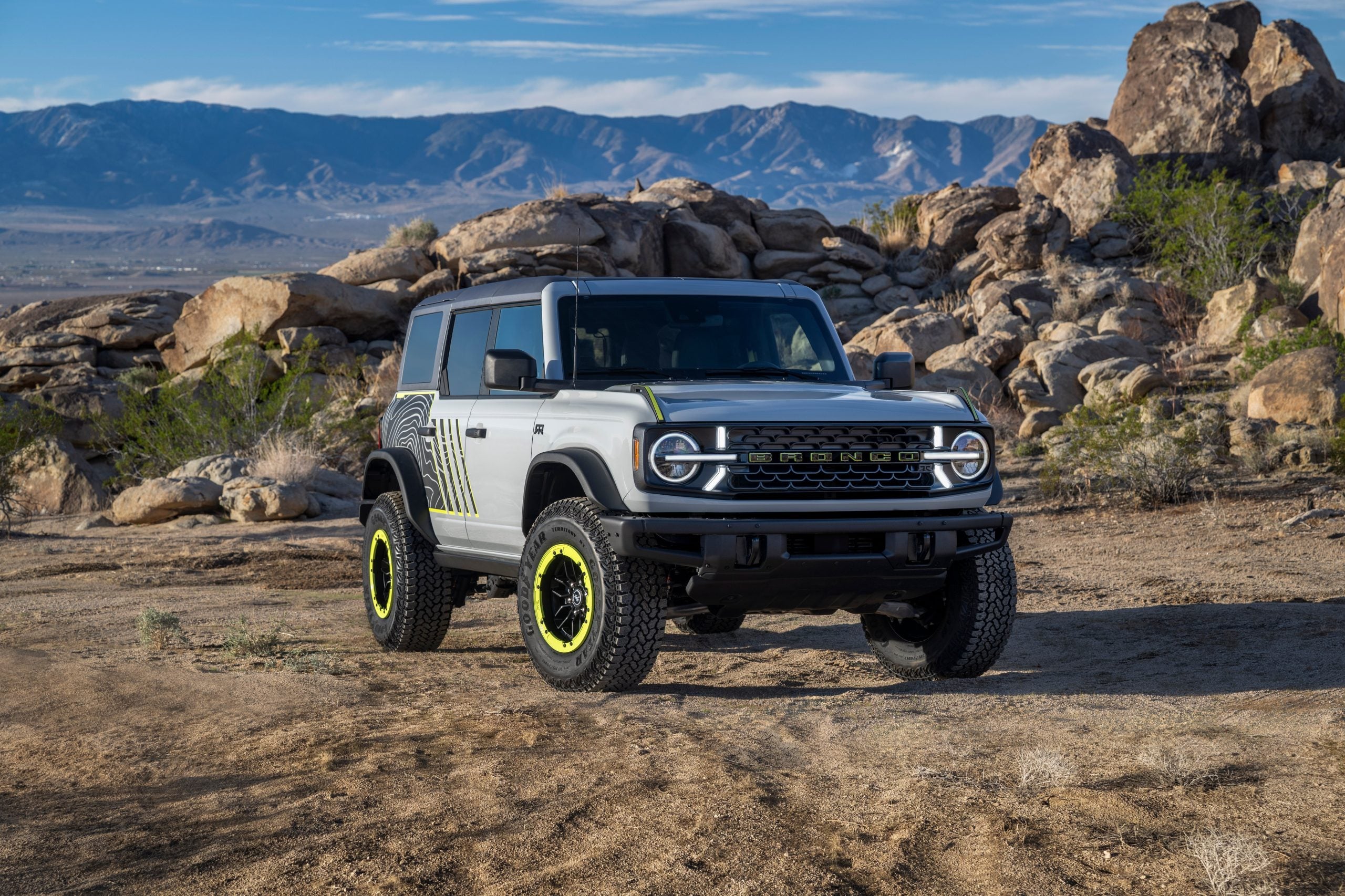
Few rivalries in the SUV world spark as much debate as this one. The Ford Bronco RTR and Toyota Land Cruiser come at off-roading from completely different angles. The Bronco RTR chases raw performance and trail-ready aggression, while the Land Cruiser leans on decades of heritage to deliver a refined, comfortable cruiser. If you're weighing the 2027 Ford Bronco RTR against the 2027 Toyota Land Cruiser, understanding what separates them will help you make the right call, whether you're running forest service roads near Mount Rainier or cruising gravel routes outside Olympia. The Bronco RTR brings a sharp, purpose-built edge to this matchup. Developed alongside Vaughn Gittin Jr.'s RTR Vehicles and tested in California's Johnson Valley, it's engineered around off-road performance and driver excitement. The Land Cruiser leans into comfort, hybrid efficiency, and premium refinement instead. Both have devoted followings, but for buyers who prioritize capability over cushioning, the Bronco RTR makes its case the moment you grip the wheel. Performance and Powertrain: RTR's Adrenaline Advantage Performance is where this comparison gets interesting fast. The Bronco RTR was never meant to be subtle, while the Land Cruiser pairs efficiency with power through its hybrid system. Both strategies have merit, but they serve very different drivers. Ford Bronco RTR Power, Torque, and Drivetrain Ford equips the Bronco RTR with a turbocharged 2.3L EcoBoost four-cylinder paired to a 10-speed automatic. Ford has not yet confirmed the RTR's output, though the 2.3L produces 300 hp and 325 lb-ft in other Bronco models, so expect figures in that range pending Ford's official numbers. Race-derived anti-lag turbo programming keeps throttle response instant coming out of loose terrain, and a high-capacity cooling fan borrowed from the Bronco Raptor helps the engine stay composed under sustained off-road load. Its advanced four-wheel-drive system includes an automatic on-demand mode that can be left engaged on pavement, sending power exactly where it's needed on steep inclines and technical trails. Standard high-clearance suspension and 33-inch all-terrain tires come on every Bronco RTR, and the optional Sasquatch package steps things up further with 35-inch tires, HOSS 3.0 suspension, FOX Internal Bypass dampers, and an electronic locking front differential. None of this is spec-sheet dressing; it's hardware meant to take a beating on real trails. Toyota Land Cruiser Hybrid Performance The 2027 Land Cruiser uses Toyota's i-FORCE MAX hybrid powertrain, combining a turbocharged 2.4L four-cylinder with an electric motor for 326 net combined horsepower and 465 lb-ft of torque. That's a torque advantage on paper, and the electric motor delivers instant response off the line while the combustion engine handles sustained power needs. The result is a smooth, composed driving experience that works well in daily driving and moderate off-road situations, with meaningfully better fuel efficiency than the V8-powered Land Cruisers of the past. The instant torque from the electric motor genuinely helps in slow-speed off-road scenarios, but the overall character of the powertrain is tuned for composed refinement rather than adrenaline. It's a strong system for long-distance capability and reduced emissions, just not one built around aggressive trail performance the way the Bronco RTR's is. Off-Road Capability: Why the RTR Dominates the Trail When the pavement ends, the Bronco RTR is clearly in its element. The Land Cruiser can still handle plenty on dirt, but its heavier, luxury-first build starts to show its limits once the terrain gets rough enough. For buyers who genuinely plan to tackle demanding terrain around Tacoma, Olympia, or the forest routes toward Mount Rainier, this part of the comparison matters most. Suspension, Ground Clearance, and Approach/Departure Angles The Bronco RTR's suspension is built to absorb hard impacts and keep the wheels planted on uneven ground, with high-clearance geometry and 33-inch tires that let it clear rocks and ruts that would scrape a standard SUV. The optional Sasquatch package's HOSS 3.0 suspension and FOX Internal Bypass dampers add even more articulation for climbing steep faces and descending sharp drops. The Land Cruiser offers 8.7 inches of ground clearance with 32-degree approach and 22-degree departure angles, which is respectable and has improved in recent generations. Its suspension tuning still favors on-road ride quality, though, which brings compromises once terrain gets extreme. It handles moderate trails and light adventure driving, such as the gravel roads near Olympia, with confidence, but it isn't calibrated for the same level of technical terrain as the Bronco RTR. 4x4 Systems and Terrain Management The Bronco RTR's terrain management system offers multiple dedicated drive modes tuned for sand, mud, rock, and normal on-road driving. Switching modes adjusts throttle response and traction settings to match the environment, letting drivers dial in exactly the right setup for whatever trail they're tackling. The Land Cruiser brings its own capable system through electronically locking center and rear differentials, Multi-Terrain Select, and Crawl Control for slow, precise maneuvering. It's a reliable, well-engineered setup. Still, the Bronco RTR's mode selection and Sasquatch-package hardware offer more granular control for dedicated off-road use, which is where the RTR's advantage becomes clearest. Technology and Infotainment Face-Off Inside the cabin, the two vehicles take different approaches to technology. The Bronco RTR keeps things focused and functional, with Ford Co-Pilot 360 driver-assist features, a premium audio option, and a clean interface built around smartphone connectivity. Its controls are straightforward and geared toward an active buyer who wants easy access to the features they actually use. The Land Cruiser leans into premium cabin technology, with Toyota's suite of driver-assistance features, a 12.3-inch infotainment screen, and an available Head-Up Display. The interface is polished and responsive, matching its higher price point. Both systems suit their vehicles well: the Bronco RTR keeps tech practical and trail-ready, while the Land Cruiser treats it as part of a premium ownership experience. Passenger Space and Cargo Capacity Compared The Bronco RTR is built with active adventure in mind. It comes four-door only, seats up to five, and offers generous cargo space behind the second row (the four-door Bronco provides roughly 35 to 36 cubic feet, expanding to over 70 with the rear seats folded), enough for camping gear, mountain bikes, or recovery equipment on a weekend trip toward Mount Rainier. A washout interior with vinyl seats and Hyper Lime accents makes cleanup easy after a muddy trail day, while heated front seats and dual-zone climate keep things comfortable on the drive home. The Land Cruiser takes a different direction. It seats five, offers 46.2 cubic feet behind the second row (up to 82 cubic feet folded), and provides 36.7 inches of rear legroom with 39.4 inches of rear headroom. Premium materials and supportive seating make it a genuinely comfortable long-haul vehicle. If you want an SUV that doubles as a family hauler with off-road capability in reserve, the Land Cruiser delivers that balance. For pure adventure utility, though, the Bronco RTR's layout is purpose-built in a way the Land Cruiser isn't quite designed to match. Which SUV Fits Your Lifestyle? The honest answer is that these vehicles aren't competing for the same buyer. The 2027 Ford Bronco RTR is built for people genuinely excited about off-road driving, whether that means running forest service roads outside Tacoma or tackling coastal trails on a weekend trip. It attracts buyers who treat the trail as the destination itself, and it typically sits at a lower price point than the Land Cruiser while delivering competitive, often superior, capability in the dirt. The 2027 Toyota Land Cruiser is aimed at buyers who want long-haul comfort and hybrid efficiency along with off-road confidence, without committing to the Bronco's trail-aggressive character. It's a strong choice for families or travelers near Lakewood or Olympia who occasionally venture off-road but mostly value reliability and refinement. If that sounds like you, the Land Cruiser deserves serious consideration. But if you're drawn to a factory-built off-road performer with real trail credentials that reward the person actually driving it, the Bronco RTR wins that conversation. Schedule Your Bronco RTR Test Drive at Titus-Will Ford Reading about specs only goes so far. Sitting in the driver's seat and feeling what the Bronco RTR actually does tells you more than any spec sheet. Why Test Drive With Us We're one of the largest volume Ford dealers in Washington state, serving Tacoma, Olympia, and Lakewood. Our team has been helping buyers find the right Ford since 1938. We offer a full inventory of new Ford vehicles, transparent financing, and factory-certified service. Visit or Contact Us Located at 3606 South Sprague in Tacoma, WA, Titus-Will Ford is ready to help whether you're set on buying or just want to get behind the wheel. Call our sales team at 253-356-8021, or contact Titus-Will Ford online. We're open Monday through Friday from 9:00 AM to 8:00 PM, Saturday from 9:00 AM to 7:00 PM, and Sunday from 10:00 AM to 6:00 PM. The 2027 Ford Bronco RTR is worth experiencing in person.
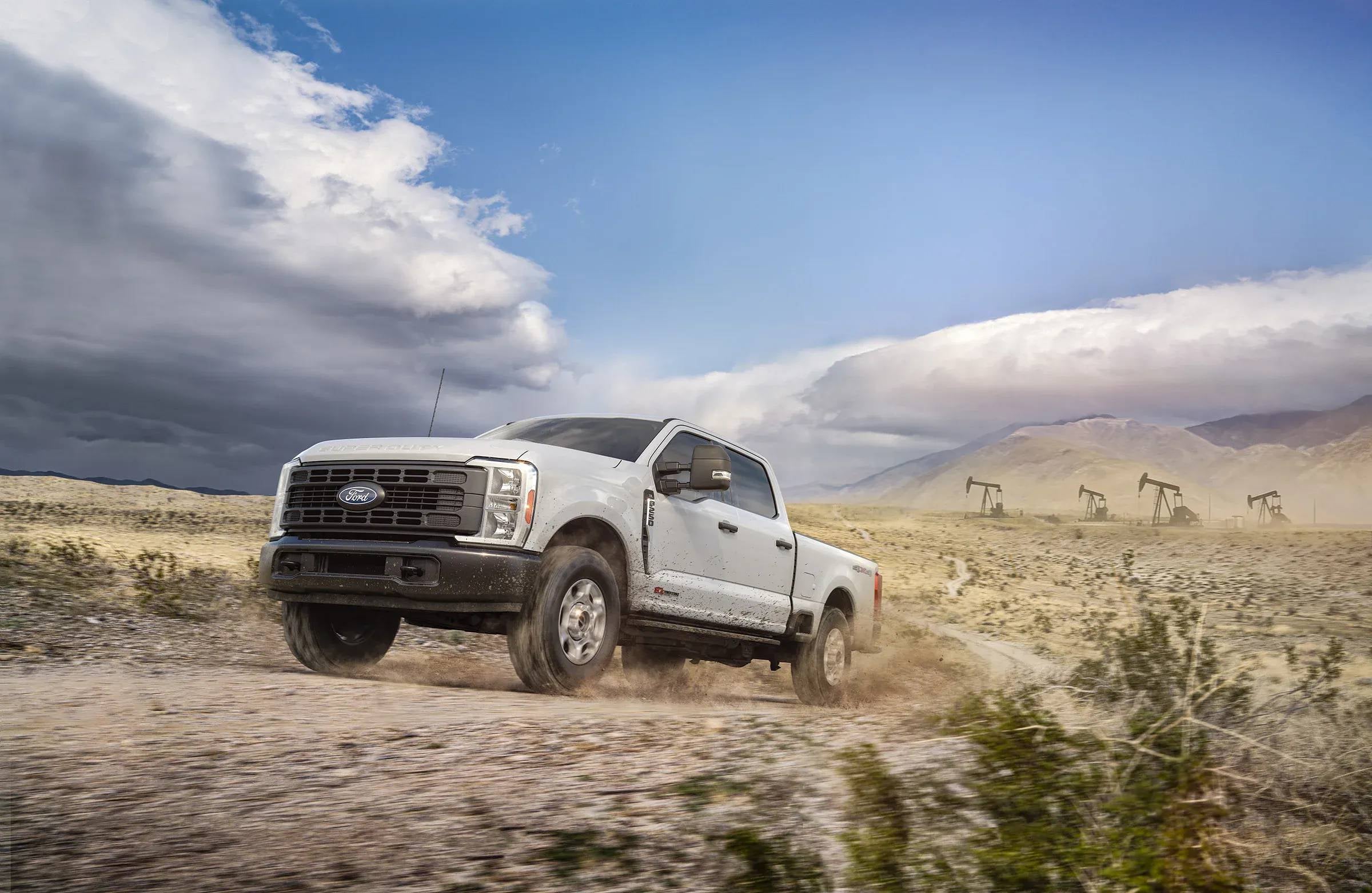
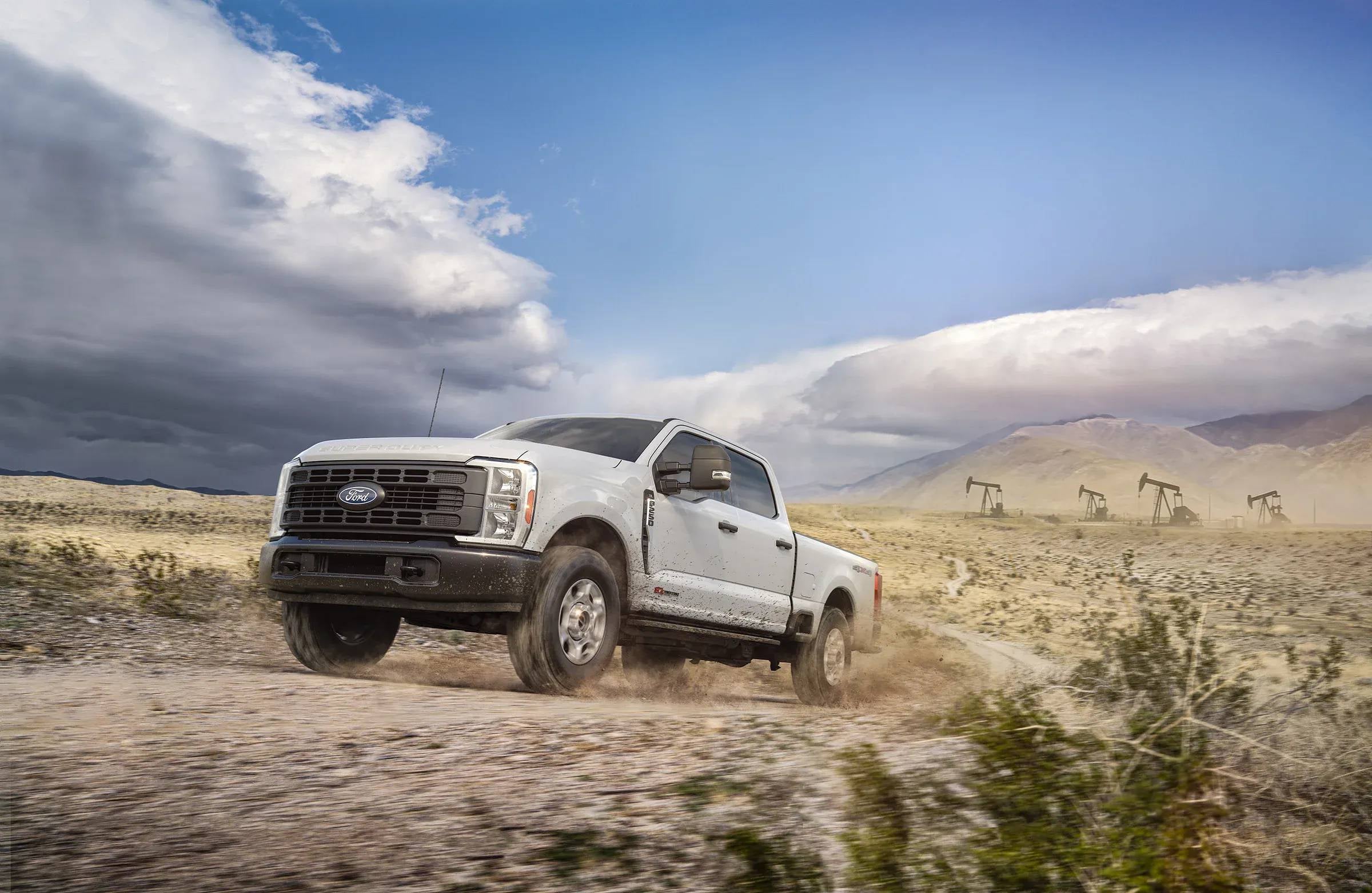
Ford Super Duty 2027

2027 Ford Super Duty vs. Ram 2500/3500

Heavy-duty truck buyers rarely settle, and they shouldn't have to. When you're towing a fifth wheel across the Cascades or hauling materials to a job site in the Tacoma/Olympia corridor, the truck you choose needs to perform without compromise. The 2027 Ford Super Duty vs. Ram 2500/3500 debate is one of the most contested in the truck world, and for good reason. Both lineups are capable and loaded with technology. Dig into the details, though, and the differences become clear fast. What's New for the 2027 Ford Super Duty Ford made significant changes to the 2027 Super Duty lineup, starting under the hood. The 6.8L V8 and standard-output 6.7L diesel are gone. The 7.3L Godzilla V8 is now the base gas engine, and the only diesel option is the high-output 6.7L Power Stroke, producing 500 hp and 1,200 lb-ft of torque paired with Ford's TorqShift 10-speed automatic. Ford essentially narrowed the powertrain lineup to offer fewer choices and stronger ones. The Tremor Off-Road Package expands significantly this year. It's now available on the XL with the STX Appearance Package, and Ford added Tremor availability on the Crew Cab with an 8-foot bed, opening it to buyers who want off-road capability alongside serious cargo space. An XL Off-Road 35-Inch Tire Package joins the lineup as well. On the commercial side, the Platinum trim extends to F-350, F-450, and F-550 Chassis Cab models, giving fleet and upfit buyers access to a higher-grade build. Inside, Ford upgraded cabin materials and infotainment layout across trims. Safety and driver assistance features that were once reserved for premium trucks are now more broadly available throughout the lineup. 2027 Ford Super Duty vs. Ram 2500: The 3/4-Ton Showdown The 3/4-ton segment is where most buyers in this class land. Understanding how the Super Duty and Ram 2500 differ across key categories helps narrow the decision for buyers who need a truck that performs every day. Engine and Powertrain The 2027 Super Duty pairs the 7.3L Godzilla V8 or the 500 hp, 1,200 lb-ft Power Stroke diesel with the TorqShift 10-speed automatic. The Power Stroke is engineered with towing as its primary mission, producing torque figures that translate directly to real-world performance on grades and under heavy loads. Based on 2026 figures, the Ram 2500 pairs a 6.4L HEMI gas engine or a 6.7L High-Output Cummins diesel, making up to 430 hp and 1,075 lb-ft of base diesel torque, with a TorqueFlite HD 8-speed automatic. The Cummins has a loyal following and its torque delivery is smooth and strong. Ford's Power Stroke leads on peak output, and the 10-speed automatic offers finer gear selection under load, which matters when managing heavy trailers on variable terrain. Towing, Payload, and Work Capability Ford holds a clear edge in maximum towing and payload across the lineup. At the top end, the Super Duty is rated for up to 40,000 lbs of gooseneck towing on the F-450 and up to 8,000 lbs of payload on a properly configured F-350. Within the 3/4-ton class itself, the F-250 tows up to 23,000 lbs with a gooseneck setup. Based on 2026 specs, the Ram 2500 tops out at around 20,000 lbs of diesel towing. That's a real-world difference you feel when pushing a truck to its limits hauling near Puget Sound or across the Pacific Northwest, not just a line on a brochure. Ram counters with user-friendly trailer management systems that make towing less stressful for occasional users. Both trucks are work-ready, but the Ram 2500 doesn't match the Super Duty's ceiling when maximum capability is the requirement. Technology and Driver Assistance Ford's SYNC 4 infotainment system offers a large touchscreen, wireless connectivity, and towing-specific features including trailer profiles, an integrated brake controller, and Pro Trailer Backup Assist, a feature that takes the frustration out of reversing with a trailer attached. Blind-spot monitoring and trailer sway control round out a package built specifically for towing use. Ram's Uconnect system is responsive and clean, with quick response times and an intuitive layout. Where Ford pulls ahead is in work-focused technology designed for towers and haulers rather than general comfort. For a buyer who spends significant time connected to a trailer, that's a meaningful advantage. 2027 Ford Super Duty vs. Ram 3500: Heavy-Hauler Face-Off Step up to the 1-ton segment and the stakes get higher. Horse trailer owners, equipment haulers, and commercial operators all need to know exactly what each truck delivers at its ceiling. Diesel Power and Max Towing Numbers The Super Duty's high-output Power Stroke produces 500 hp and 1,200 lb-ft of torque. That output pushes maximum towing well beyond what Ram's 3500 achieves at its peak. Based on 2026 specs, the Ram 3500's Cummins diesel makes 430 hp and 1,075 lb-ft of torque, with a maximum tow rating of around 36,610 lbs in properly configured diesel models. The Super Duty exceeds that ceiling, and for buyers moving the heaviest loads possible, Ford's numbers are difficult to argue with. Ram's Cummins inline-six is a proven engine with strong resale appeal and a dedicated following among long-time diesel users. The choice between them often comes down to preference and use case. When maximum output is the priority, Ford leads. Cargo Capacity and Worksite Utility The payload advantage Ford carries in the 3/4-ton class extends into the 1-ton segment. Higher payload ratings mean the Super Duty can carry more weight in the bed without approaching its limit, which matters for construction professionals and agricultural users loading materials, tools, or livestock daily. Ford's higher gross vehicle weight rating gives it a consistent worksite edge. Ram's 3500 is well-built with versatile bed configurations and solid overall quality. When comparing raw cargo numbers, the Super Duty's margin is consistent enough to be a deciding factor for buyers whose trucks are income-generating tools. Cab Comfort and Tech Features This is where Ram traditionally earns credit, and it's deserved. The Ram 3500's interior, particularly in Laramie and Longhorn trims, delivers a refined cabin experience with strong noise insulation and quality materials. The rear coil-spring suspension on the Ram 2500 also gives Ram an edge in ride comfort under lighter loads, and that reputation carries into the 3500's overall feel. Ford has closed the gap significantly. The 2027 Super Duty's interior features quality materials and ergonomic layouts across trims. The King Ranch and Platinum configurations rival Ram's premium setups without sacrificing the functional design Super Duty buyers expect. It comes down to personal priority: Ram's slightly more refined ride quality or Ford's blend of comfort and capability-focused engineering. For most buyers doing real work, Ford's approach wins. Why the 2027 Super Duty Is the Smarter Choice What "smarter choice" actually means depends entirely on what you're hauling and how often. For diesel performance seekers, there's no match. The Power Stroke's 500 hp and 1,200 lb-ft of torque lead the segment, and no competitor offers a diesel with higher factory output. If you're regularly towing near maximum capacity through the Pacific Northwest, that margin matters on every uphill stretch. For heavy haulers and gooseneck operators, the Super Duty's 40,000-lb gooseneck rating on the F-450 and 8,000-lb payload ceiling on the F-350 set the bar across the heavy-duty lineup. Contractors and ranchers in the Greater Tacoma area who push their trucks hard every day need that kind of headroom. For fleet and payload buyers, the 2027 lineup's expanded Platinum trim on F-350, F-450, and F-550 Chassis Cab models, combined with the Tremor package's broader availability, gives commercial operators more configuration options than Ram currently offers at this segment level. The TorqShift 10-speed also supports more consistent performance across duty cycles than Ram's 8-speed under comparable loads. Ram's refinements are real, and buyers who prioritize ride comfort or prefer the Cummins engine's character will find a strong truck there. But for most serious heavy-duty buyers, the Super Duty's capability numbers and powertrain output, paired with work-focused technology, make it the more practical and better-equipped option. Schedule a Super Duty Test Drive at Titus-Will Ford The best way to understand what makes the 2027 Super Duty stand out is to get behind the wheel. At Titus-Will Ford, serving Tacoma, Olympia, and Lakewood, WA, our team is ready to walk you through the full Super Duty lineup and help you find the configuration that fits your work and lifestyle. As one of the largest volume Ford dealers in Washington state, Titus-Will Ford has been helping customers make confident vehicle decisions since 1938. Whether you need a Super Duty for weekend towing or one built for daily commercial use, we can match you with the right truck and walk you through financing options and trade-in evaluations. Stop by at 3606 South Sprague, Tacoma, WA 98409, or call us at 253-356-8021. You can also contact our Titus-Will Ford team to schedule your Super Duty test drive at your convenience. We're open Monday through Friday from 9:00 AM to 8:00 PM, Saturday from 9:00 AM to 7:00 PM, and Sunday from 10:00 AM to 6:00 PM.

Ford Super Duty 2027

2027 Ford Super Duty Vs Chevy Silverado 2500/3500

Choosing between the 2027 Ford Super Duty and the Chevy Silverado HD is a serious call. What you can haul, how hard you can push on a job site, and whether that daily commute feels like work or just driving all come down to this decision. At Titus-Will Ford in Tacoma, we work with contractors, farmers, fleet buyers, and families towing boats or fifth-wheels every day, so we put together this breakdown to help you compare the numbers that actually matter. Browse our current Super Duty inventory to see what's available now. What's New for 2027: Super Duty Gets an Upgrade While the Silverado HD Stays Put The 2027 Super Duty arrives with refinements that sharpen its position in the heavy-duty truck class. Ford focused on powertrain updates, technology improvements, and off-road capability to make the truck more capable and more livable at the same time. The headline updates include expanded Tremor availability across more trims, with the Tremor package now offered on Crew Cab with Long Box configurations. Ford also added a new XL Off-Road 35-Inch Tire Package, which brings serious off-road capability to the work truck level without requiring a premium trim. Platinum trim is now available on more chassis cab models, and Crew Cab Long Box Tremor models can be optioned with a 48-gallon fuel tank, a genuine advantage for drivers covering long distances between fills in the Pacific Northwest. The Chevy Silverado 2500/3500 HD, by contrast, is expected to carry forward a largely unchanged formula for 2027. GM hasn't introduced significant updates to the Silverado HD lineup this year, and an all-new Silverado HD is reportedly planned for 2028. For buyers comparing both trucks today, that means you're looking at an updated Ford against a truck that's been holding steady for a second consecutive year. Engine Performance and Powertrain: 2027 Ford Super Duty vs. Chevy Silverado HD Both trucks offer diesel and gas options, but the specs tell meaningfully different stories. Super Duty's Powertrain Options For 2027, Ford dropped the 6.8L V8 and made the 7.3L "Godzilla" V8 the standard gas engine across the Super Duty lineup. It produces 430 hp and 485 lb-ft of torque, a substantial step up from what the Silverado HD's base gas engine offers. The only diesel available is the high-output 6.7L Power Stroke V8, rated at 500 hp and 1,200 lb-ft of torque. That torque figure is what makes the Power Stroke particularly effective for heavy trailer management on mountain passes and loaded job-site hauls. Silverado HD's Engine Options The Silverado HD offers a 6.6L V8 gas engine rated at 401 hp and 464 lb-ft of torque, alongside the available 6.6L Duramax diesel at 470 hp and 975 lb-ft. The Duramax has earned a loyal following and remains competitive, but it trails the Power Stroke by 30 hp and 225 lb-ft of torque. For buyers who prioritize maximum diesel output, the Super Duty's Power Stroke holds the clear advantage. 2027 Ford Super Duty vs. Chevy Silverado 2500: The 3/4-Ton Showdown The F-250 vs. Silverado 2500HD matchup targets the same buyer: someone who needs more than a half-ton can provide but doesn't always need the full weight-hauling muscle of a one-ton. Stacking them side by side, the F-250 leads on both towing and payload. In properly equipped configurations, the F-250 Super Duty reaches up to 23,000 lb of gooseneck and fifth-wheel towing capacity and up to 4,300 lb of payload. The Silverado 2500HD tops out at 16,000 lb of conventional towing on gas, or up to 22,070 lb gooseneck with the Duramax diesel, with maximum payload reaching 3,979 lb. For contractors towing equipment trailers over Snoqualmie Pass or recreational buyers pulling a fifth-wheel to eastern Washington, those differences are real and cumulative. Ford's towing technology also contributes to driver confidence under load. Pro Trailer Backup Assist, an integrated brake controller, and a camera system with trailer-specific views make hitching and maneuvering more manageable in tight spaces, whether that's a crowded boat launch or a congested job site. 2027 Ford Super Duty vs. Chevy Silverado 3500: When Maximum Capability Matters At the one-ton level, buyers are often operating at the upper limits of what a pickup truck can do. Commercial haulers, fifth-wheel operators, and gooseneck users depend on maximum ratings, and this is where the comparison requires honest framing. The Silverado 3500HD posts strong numbers in its heaviest diesel configurations, reaching up to 36,000 lb of towing and 7,442 lb of payload. Those are the highest figures in the segment for that specific configuration, and we won't pretend otherwise. If you're regularly pulling a 33,000-lb gooseneck load and that single number is your entire decision criteria, the Silverado 3500HD deserves serious consideration. That said, Ford's case for the F-350 Super Duty rests on versatility, a streamlined engine lineup, and factory off-road capability. Most buyers in this class don't operate at absolute maximum capacity every day. A landscaper hauling a 10,000-lb equipment trailer who also works muddy fields on weekends gets more from a truck built around breadth of capability than one maximum number. A fleet manager outfitting trucks for mixed-use work does too. The F-350's 7.3L Godzilla V8 standard engine and high-output 6.7L Power Stroke, combined with the expanded Tremor package availability, make it the more flexible platform for operators whose needs vary across the week. Technology, Interior Comfort, and Work-Ready Features A heavy-duty truck you spend ten hours a day in needs to be more than capable. The 2027 Super Duty delivers Ford's SYNC 4 infotainment system, available on Platinum trim along with leather seating surfaces now offered on chassis cab models. The available 360-degree camera system and trailer-specific technology are well-integrated, and the Pro Power Onboard system turns the truck into a mobile generator, something the Silverado HD doesn't offer. For job-site operators running power tools or charging equipment in the field, that has genuine daily value. The 2027 Tremor package brings factory-installed off-road hardware that reduces the need for aftermarket modifications. The package includes a factory lift, an electronic locking rear differential, a limited-slip front differential, Trail Control, Trail Turn Assist, Rock Crawl Mode, skid plates, and water-fording vent tubes. Offering the Tremor on Crew Cab Long Box configurations is particularly useful for buyers who need off-road capability without sacrificing passenger space or bed length, worth considering if your work takes you off paved roads in the Cascades or on rural Pacific Northwest properties. The Silverado HD's interior has improved in recent years with a clean layout and solid material quality. In Lariat, King Ranch, and Platinum trims, the Super Duty's cabin reaches a level of refinement that holds its own against luxury SUVs, and the factory technology breadth means fewer aftermarket additions to manage. We offer flexible financing options for qualified buyers at Titus-Will Ford, whether you're purchasing a single truck for personal use or spec'ing a fleet of F-350s for commercial work. Why the 2027 Ford Super Duty Is the Better Heavy-Duty Truck Looking at the full picture, Ford's advantages stack up across the categories that matter most: The 7.3L Godzilla V8 is now the standard gas engine, delivering 430 hp and 485 lb-ft of torque vs. 401 hp and 464 lb-ft from the Silverado HD's standard 6.6L V8. The 6.7L Power Stroke produces 500 hp and 1,200 lb-ft of torque, compared to 470 hp and 975 lb-ft from the Duramax diesel. The F-250 reaches up to 23,000 lb gooseneck towing and 4,300 lb payload vs. 22,070 lb and 3,979 lb for the Silverado 2500HD. The expanded Tremor package and the new XL Off-Road 35-Inch Tire Package deliver factory off-road capability across a wider range of trims than the Silverado HD offers. Pro Power Onboard, SYNC 4, and integrated trailer technology come standard or available from the factory, without needing aftermarket additions to fill the gaps. The Silverado HD is a legitimate truck, and the Silverado 3500HD's maximum towing and payload figures are worth acknowledging, particularly for buyers who hit those limits regularly. For everyone else weighing a full purchase decision across real-world use, the 2027 Ford Super Duty makes the stronger case, whether you're spec'ing an F-250 or an F-350. Experience the 2027 Ford Super Duty at Titus-Will Ford If you're ready to see the 2027 Super Duty in person, come visit us at Titus-Will Ford, located at 3606 South Sprague, Tacoma, WA 98409. We're one of the largest-volume Ford dealers in Washington state and have been serving drivers since 1938. Our team understands what heavy-duty truck buyers need, from spec comparisons to configurations tailored for Pacific Northwest terrain and work conditions. You can reach us at 253-356-8021, or contact our Tacoma sales team online to get the conversation started. Business hours run Monday through Friday from 9:00 AM to 8:00 PM, Saturday from 9:00 AM to 7:00 PM, and Sunday from 10:00 AM to 6:00 PM. Whether you're upgrading your current Super Duty or switching over from a Silverado HD, we're ready to help you find the right truck for your work and your life.

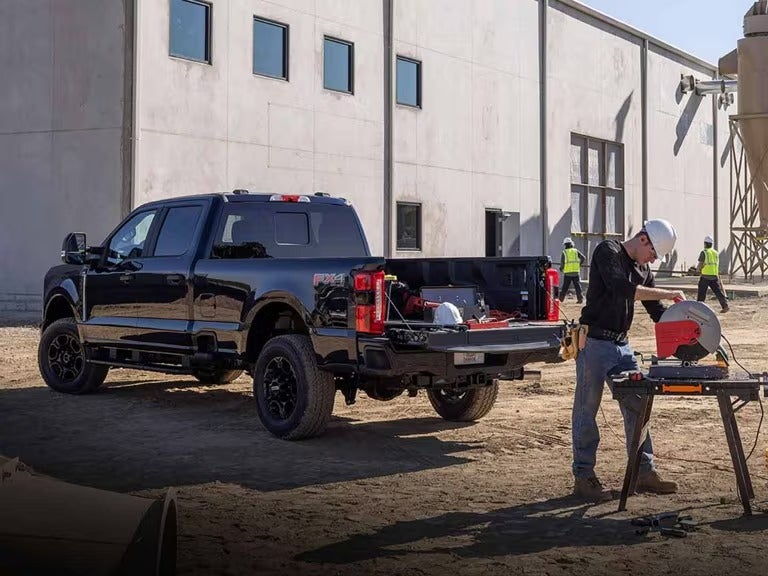
Worker in hard hat using a power saw near a black pickup truck with equipment loaded in the bed at an active construction site.

2025 Ford F-150 vs Chevy Colorado: Complete Truck Comparison Guide

If you're shopping for trucks in Tacoma, Washington, you'll eventually find yourself looking at the Ford F-150 and Chevrolet Colorado. So how exactly do they compare? The main difference is the F-150 competes in the full-size truck segment, while the Chevrolet Colorado sits in the midsize arena. As a result, the F-150 offers more power, towing capacity, payload, and cab/bed configurations, making it an ideal work partner or family hauler. On the other hand, the Colorado's smaller footprint makes it more maneuverable and generally more fuel efficient than larger trucks. Colorado drivers can still enjoy the 4x4 capability and truck bed versatility without the price tag of a full-size pickup. We invite you to read on as we learn more about what makes these trucks so attractive. Performance, Engines, and Driving Dynamics Truck performance starts under the hood. The F-150 has six engine options depending on your choice of trim. 2.7-Liter EcoBoost V-6 Engine The base engine in the XL, STX, and XLT models is Ford's 2.7-liter EcoBoost V-6, which uses twin intercooled turbochargers and port-fuel and direct-injection (PFDI) technologies. This powertrain produces 325 horsepower and 400 lb-ft of torque. 5.0-Liter V-8 Engine Ford's 5.0-liter V-8 engine paired with a ten-speed automatic transmission comes standard in the Lariat and Tremor trims. This powertrain makes 400 horsepower and 410 lb-ft of torque. 3.5-Liter EcoBoost V-6 Engine A 3.5-liter EcoBoost V-6 engine powers the King Ranch and Platinum models. Using Ford's PFDI system with two injectors per cylinder to boost performance, this twin intercooled engine kicks in with virtually no lag, recording 400 horsepower and 500 lb-ft of torque. 3.5-Liter PowerBoost Full-Hybrid V-6 Engine Ford offers its 3.5-liter PowerBoost Full-Hybrid V-6 engine as an option for the XLT, Lariat, King Ranch, and Platinum trims. This gas-powered engine uses a separate electric motor and battery to boost power output, resulting in 430 horsepower and 570 lb-ft of torque. Raptor-Exclusive Engines The last two engines are only available on the F-150 Raptor models. The base Raptor engine is a 3.5-liter Twin-Turbo High-Output EcoBoost V-6 engine with PDFI technologies. This Baja-bred powertrain produces 450 horsepower and 510 lb-ft of torque. The Raptor R trim has the most powerful high-performance engine ever installed in an F-150. Ford's Supercharged V-8 engine will pin you to your seat with its impressive 720 horsepower and 640 lb-ft of torque. Terrain Management System Ford offers seven selectable drive modes depending on your powertrain. An ECO mode optimizes fuel efficiency for your Tacoma commute, while the Normal mode provides a more balanced output of power and economy. Sport mode dials in your throttle, steering, and suspension for crisp on-road driving dynamics. The Slippery mode distributes power more efficiently when the surfaces get slick. Deep Snow/Sand and Mud/Rut modes enhance your traction and stability control systems to power through the harsher conditions. 2.7-Liter TurboMax Engine Chevrolet makes the Colorado available in five trims to suit various driving needs. A 2.7-liter TurboMax inline four-cylinder engine bolted to an eight-speed automatic transmission powers all five models. This powertrain produces 310 horsepower and 430 lb-ft of torque. Terrain Management System This engine also has up to five selectable drive modes depending on your trim. Normal mode is your default for your everyday Tacoma commute. An Off-Road mode delivers better traction on loose, slippery surfaces, such as grass, mud, gravel, or deep snow. A Terrain mode provides low-end torque for climbing steep hills or crawling over obstacles. The ZR2-exclusive Baja mode delivers exceptional traction and stability in sandy conditions. The available Tow/Haul mode optimizes performance for towing and hauling heavy loads. Towing, Payload, and Utility Capabilities The F-150 has impressive towing and hauling capabilities throughout its lineup. Trucks with the base 2.7-liter EcoBoost engine can tow up to 8,400 pounds and haul another 1,775 pounds in their beds. Ford's 5.0-liter powertrain enables a maximum towing capacity of 12,900 pounds and a payload rating up to 2,225 pounds. F-150 models with the 3.5-liter EcoBoost engine get the highest tow rating of 13,500 pounds and a 2,440-pound payload rating. The 3.5-liter PowerBoost Full-Hybrid variant produces a slightly lower tow rating of 11,200 pounds and a payload capacity of 1,750 pounds. The full-hybrid engine features Ford's Pro Power Onboard system that delivers 2.4 kW of power to plug in power tools for work around Tacoma or a television for your weekend tailgating parties at Lumen Field. Every Chevrolet Colorado trim can tow up to 7,700 pounds and haul up to 1,684 pounds, except the ZR2. The heavy-duty off-road equipment installed on the ZR2 reduces its towing capacity to 6,000 pounds and its payload capacity to 1,280 pounds. Fuel Economy and Cost of Ownership The EPA estimates Ford F-150 trucks with the 2.7-liter engine get 19 mpg city and 25 mpg highway ratings. The 3.5-liter V-6 earns ratings of 17 mpg city and 25 mpg highway. The full-hybrid powertrain gets the best fuel economy with its 22/24 city/highway mpg, making it the ideal vehicle for your Tacoma-area commute. The rear-wheel-drive Colorado models get up to 20 mpg city and 24 mpg highway ratings, while the AWD trims get 18/22 city/highway estimates. The off-road ZR2 earns the lowest ratings of 17 mpg in the city and on the highway. Interior Comfort, Tech, and Infotainment Both trucks offer comfortable cabins with cloth upholstery in the lower trims and premium leather appointments in the higher models. However, the King Ranch and Platinum models take comfort to the next level with heated and ventilated seats to warm you against Washington winter chills and cool you in the summer sun. Trim-exclusive authentic wood and metal trim add a sophisticated flourish that the Colorado doesn't offer. Ford's infotainment tech runs on a 12.0-inch display, and Chevrolet uses a slightly smaller 11.3-inch screen. Both systems have Apple CarPlay and Android Auto capability. Both vehicles offer trailering apps for confident I-5 towing. Schedule Your Ford F-150 Test Drive Today After our comparison, we aren't surprised that the F-150 outperforms the Colorado in every meaningful way. If you need the full-size power and performance of a truck ready to handle the Tacoma workweek or your off-road adventures on the weekends, the F-150 has the size and capability to tackle the toughest jobs and terrain. Drivers more interested in light towing and hauling with moderate off-road capability will gravitate to the Colorado pickup. We invite you to schedule a test drive today to see how much more truck you get with the Ford F-150.

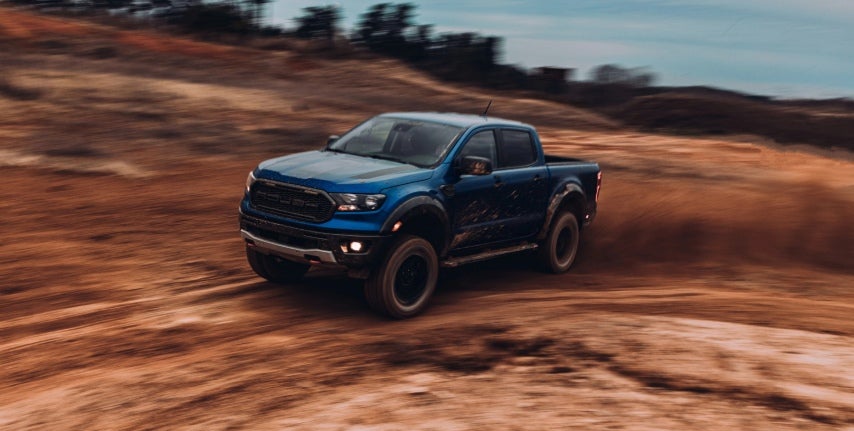
Blue Ford F-150 Roush kicking up dirt while drifting on a rugged off-road trail at dusk.

2025 Full-Size Pickup Truck Showdown: Ford F-150 vs GMC Sierra

Pickup truck buyers today have a wide range of excellent options to choose from. However, this abundance of choices can quickly become overwhelming, making it hard to decide which truck best fits your needs. The 2025 Ford F-150 and GMC Sierra are two outstanding contenders. We prepared this Ford F-150 vs. GMC Sierra comparison to help you determine which one is right for you. Engine Performance and Powertrain Options The 2025 Ford F-150 boasts an impressive engine lineup. It includes: The basic turbocharged 2.7-liter V-6, which can produce up to 325 horsepower and 400 pound-feet of torque A 5.0-liter V-8 with up to 400 horsepower and 410 pound-feet of torque A turbocharged 3.5-liter V-6 with a maximum output of 400 horsepower and 500 pound-feet of torque A dedicated powertrain for the off-road-oriented Raptor trim, with a turbocharged 3.5-liter V-6 that delivers up to 450 horsepower and 510 pound-feet of torque A dedicated powertrain for the upgraded Raptor R trim, which includes a massive 5.2-liter V-8 with an astonishing output of 720 horsepower and 640 pound-feet of torque An economical hybrid powertrain that pairs the turbocharged 3.5-liter V6 with an electric motor for a combined output of up to 430 horsepower and 570 pound-feet of torque. While the 2025 GMC Sierra has four engine options, their outputs are inferior to the F-150's, both for the standard configuration and at the top end. The engines are: The standard turbocharged 2.7-liter four-cylinder, with a maximum output of 310 horsepower and 430 pound-feet of torque A turbocharged 3.0-liter inline-six diesel engine with up to 305 horsepower and 495 pound-feet of torque A 5.3-liter V-8 that can deliver up to 355 horsepower and 383 pound-feet of torque The top-of-the-range 6.2-liter V-8 with a maximum capacity of 420 horsepower and 460 pound-feet of torque Towing, Payload, and Fuel Economy Comparison The most relevant performance figures for a pickup truck are its towing and hauling figures. The 2025 Ford F-150 is the class leader, with an impressive 13,500-pound towing capacity when properly equipped. It can also haul up to 2,440 pounds. While the 2025 GMC Sierra isn't far behind, it falls just short of the F-150 with a towing capacity of 13,300 pounds when equipped with its diesel engine. Its maximum payload capacity is identical to the Ford's, at 2,440 pounds. The fuel economy figures for these two are also close. While the 2025 Ford F-150 has a 19 mpg combined fuel economy for its 5.0-liter V-8, the hybrid powertrain provides the best figures, with 23 mpg combined. Meanwhile, the Raptor trim gets around 16 combined mpg, but it's understandable given its capability. The Sierra gets between 16 and 18 combined mpg, depending on your engine choice, which is slightly less economical than the F-150. The only exception is the diesel, which can get a combined 26 mpg. Interior Comfort, Infotainment, and Technology Nowadays, drivers expect modern pickup trucks to provide excellent comfort and high-end infotainment technology. The 2025 Ford F-150 delivers, featuring a well-cushioned interior with front seats that remain supportive even after long hours of driving. Its suspension provides a smooth ride on surfaces, while strong sound insulation keeps most road, wind, and engine noises out of the cabin. The Sierra's interior is a great place to be, but it doesn't match the F-150's level of comfort and sophistication. Its front seats aren't as soft and supportive, but they do a decent job of keeping the driver and passenger comfortable on longer drives. All buttons are easy to find, and the climate control system provides a steady temperature throughout the cabin. However, a bumpy road will reveal the suspension system's limitations and cause some interior discomfort. The 2025 F-150 comes with a standard 12-inch touch screen with wireless Apple CarPlay and Android Auto for seamless connectivity. The 2025 Sierra also offers wireless Apple CarPlay and Android Auto, but the touch screen on the base trim is only seven inches wide, while higher trims have a 13.4-inch display. Safety Ratings and Driver Assistance Features Both the 2025 Ford F-150 and the 2025 GMC Sierra are exceptionally safe vehicles in case of a collision, as certified by their five-star rating given by the National Highway Traffic Safety Administration. They also come with multiple active safety features designed to help drivers identify potential dangers and avoid them. The standard safety features for the F-150 are: Forward collision warning with automatic braking: The system can detect an imminent frontal collision and apply the brakes automatically to mitigate the effects of the impact if you don't respond to alerts. Lane-keeping assistance: The system can steer the vehicle back into its lane if it detects drifting out of lane without the activation of turn signals. Blind-spot warning with rear cross-traffic warning: The system can alert the driver if it detects another vehicle entering the F-150's blind spot and if another vehicle is approaching from either side while backing up. Rear automatic braking: The system brakes automatically if it senses an imminent impact with an object behind the vehicle. The 2025 GMC Sierra only has the frontal collision mitigation and lane-keeping assistance systems available in its standard configuration. The others are available as options or for higher trims. Schedule Your Ford F-150 Test Drive Today While both the 2025 Ford F-150 and 2025 GMC Sierra are strong pickup truck options, the F-150 stands out with its more powerful engines, higher towing capacity, more comfortable interior, and superior standard safety features. Contact us at Titus-Will Ford today to schedule a test drive and experience why the F-150 remains America's best-selling truck.

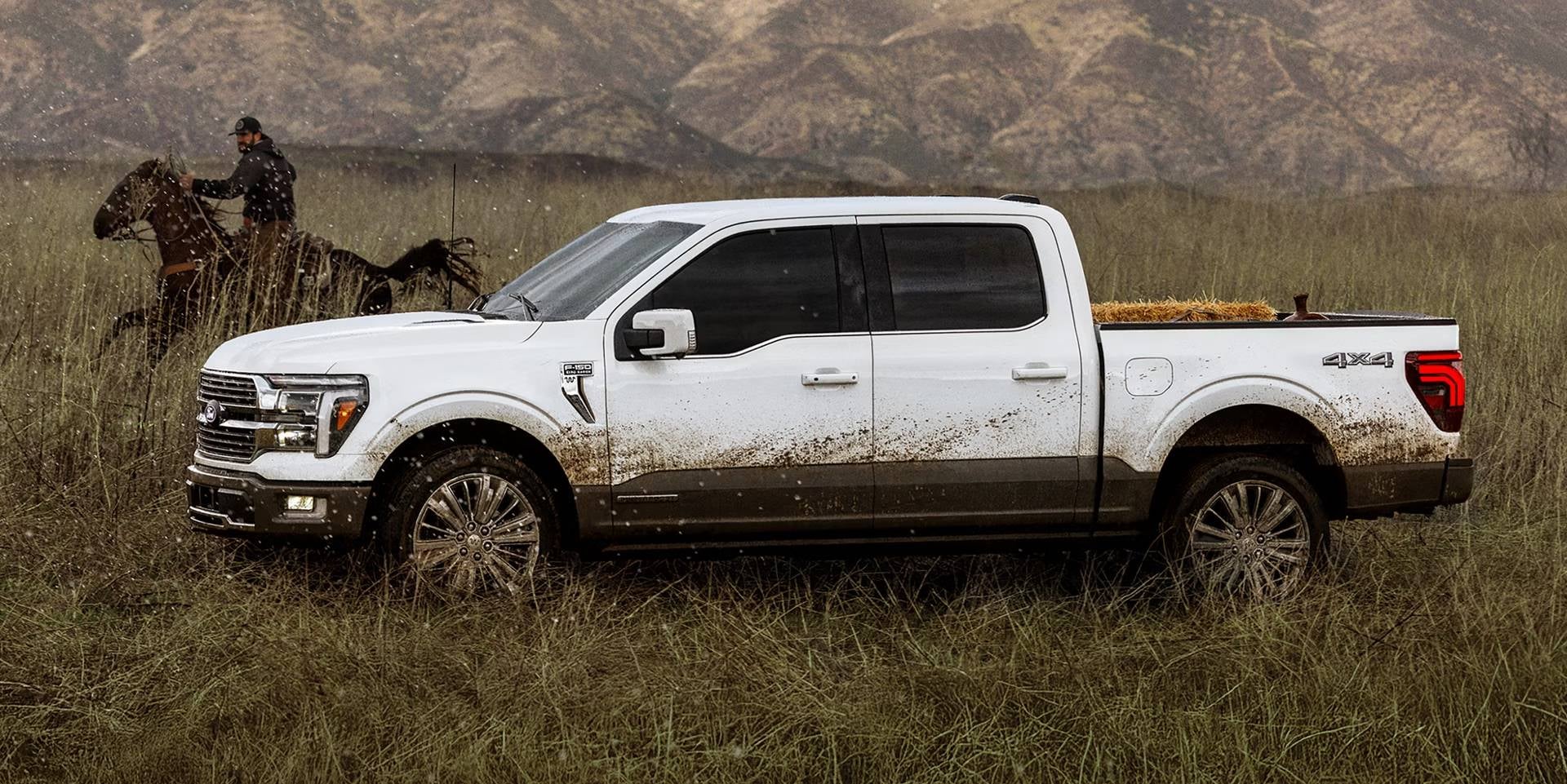
F-150 in a prairie covered in dirt.

Complete Guide to 2026 Ford F-150 Trim Levels and Packages

America's top-selling pickup truck, the Ford F-150, returns in 2026 with an array of subtle yet exciting upgrades. While it still comes in the familiar trim choices from its predecessor, Ford has revised the packages offered on each variant. In this article, we break down the 2026 Ford F-150's trim levels and packages to help you pick your perfect pickup truck from our latest Ford inventory. Let's dive right in. 2026 F-150 Trim Level Breakdown The 2026 Ford F-150 is available in six primary variants: XL, STX, XLT, Lariat, King Ranch, and Platinum. Here's a glimpse at each trim and its standout features: XL The work-oriented XL remains the entry-level model in the 2026 Ford F-150 lineup. Its standard features include: Black front grille LED headlights 17-inch steel wheels Class IV trailer hitch STX The STX model boasts a sporty exterior design and several interior enhancements to enhance its cabin experience, making the drive to Tacoma Mall more enjoyable. Its key features include: Black and gray front grille 18-inch alloy wheels LED fog lamps and cornering lamps Premium cloth upholstery XLT The XLT builds on the base model design and convenience features such as: Automatic on/off headlamps Zone lighting Pro Trailer Hitch Assist Lariat The Lariat strikes the perfect balance between performance and luxury with a host of premium features, including: Chrome surround grille 360-degree camera Premium leather seating surfaces Heated and ventilated front seats King Ranch The Western-themed King Ranch comes with most of the features of the Lariat and additional features such as: 20-inch wheels Twin-panel panoramic moonroof Heated and ventilated seats Dual-zone automatic climate control Heads-up display Platinum The Platinum represents the pinnacle of luxury in the Ford F-150 lineup. Perfect for a night out touring the Tacoma Art Museum. Its standout features include: Heated and ventilated seats with Active Motion Fade-to-Off interior lighting Heated steering wheel Performance-Focused F-150 Variants The new Ford F-150 lineup includes two performance-oriented models: Tremor and Raptor. While both are optimized for off-road performance, they are equipped differently. Tremor The 2026 Ford F-150 Tremor comes with a high-output V-8 engine and many standard off-road-focused features. This includes 18-inch aluminum wheels wrapped with 33-inch all-terrain tires, off-road tuned suspensions, selectable drive modes, and steel skid plates. Raptor The Raptor delivers impressive performance on any terrain thanks to off-roading features, such as 17-inch alloy wheels wrapped with 35-inch all-terrain tires, sport-tuned shock absorbers, and a five-link rear suspension. Its variant, the Raptor R, takes performance to new heights with a supercharged V-8 engine and 37-inch tires. This will make that trek to Evans Creek ORV Park that much more fun. 2026 F-150 Lightning Electric Trim Levels The 2026 Ford F-150 Lightning comes in four main trim options: Pro, XLT, Lariat, and Platinum. Here's a glance at each trim and its standout features. Lightning Pro Despite its entry-level designation, the 2026 F-150 Lightning Pro is equipped with an extended-range battery, delivering an impressive range of 320 miles. It also offers many modern amenities and tech to elevate your drives in Tacoma, WA. They include heated front seats, a manual tilt/telescoping steering wheel, and a 12.0-inch infotainment display running SYNC 4 software. Lightning XLT The XLT trim builds on the comfort and stylishness of the base F-150 Lightning Pro with more premium styling and comfort features. Its front end features a carbon black grille with signature lighting, which gives the truck a futuristic look. Inside, you get heated fabric seats for maximum comfort when the temperatures drop. Meanwhile, the standard 360-degree camera gives you wide-angle views of your truck's surroundings for easier navigation in downtown Tacoma's tight parking spaces. Lightning Lariat Like its internal combustion engine (ICE) counterpart, the 2026 Lightning Lariat offers a luxurious cabin replete with top-of-the-line amenities. Standard heated and ventilated front seats ensure the driver and front passenger stay cozy in any weather. A twin-panel moonroof provides an open-air driving experience. Lightning Platinum The apex F-150 Lightning Platinum trim stands out for its sporty performance and unmatched interior comfort. It runs on 22-inch aluminum wheels, which provide better stability and traction on challenging terrain. Standard heated and ventilated leather seats deliver supreme passenger comfort while accentuating the cabin's luxurious look. The model is also equipped with a massive 15.5-inch touch screen, making it incredibly easy to stay connected during your weekend adventures in Dash Point State Park. Available Package Options Across Trims The 2026 Ford F-150 has undergone minor upgrades to its in-cabin tech offerings. Its SYNC 4 infotainment software now supports over-the-air (OTA) software updates, massively improving the truck's driveability. BlueCruise 1.3 is now available on XLT and higher trim levels. This hands-free cruise system now supports automatic lane changes. The 2026 Ford F-150 also continues to offer a Black Appearance Package on select trims, like the STX, XLT, and Lariat. Other optional packages across the lineup include a Mobile Office Package, Tow/Haul Package, and Bed Utility Package. Engine Options by Trim Level The 2026 Ford F-150 carries over the engine choices from the outgoing model. Several configurations have undergone minor modifications to improve torque delivery and response. The 2.7-liter EcoBoost V-6, standard powerplant on the XL, STX, and XLT trims, sees improvements in mid-range torque delivery. The Lariat and Tremor still offer a 5.0-liter Ti-VCT engine as standard, albeit with slightly higher output. The premium King Ranch and Platinum trims are powered by a 3.5-liter EcoBoost V-6, which has been tuned for improved linear response. The top-of-the-range Raptor comes with a high-output variant of this V-6, with no changes since the previous model year. Cab and Bed Configuration Guide The 2026 Ford F-150 comes in Regular Cab, Super Cab, and SuperCrew Cab styles, with configuration options varying based on the trim. Regular Cab and Super Cab models come with either a 6.5-foot or 8.0-foot bed. Meanwhile, Super Crew Cab variants of the 2026 Ford F-150 offer 5.5-foot or 6.5-foot beds. Which 2026 F-150 Trim Should You Choose? The 2026 Ford F-150 is set to be the most versatile model yet, thanks to its expansive trim lineup and plenty of customization packages. The XLT is an excellent choice if you're looking for a practical workhorse that doesn't sacrifice comfort. If you're an adventure enthusiast seeking a formidable off-roader, the performance-tuned Tremor and Raptor models might be worth considering. If you prioritize comfort and luxury above all else, the Lariat and King Ranch trims are your best bet. Contact us to schedule a test drive and experience the refined performance of the new Ford 150.

pexels-joshuamckn-1139319

First Time Car Buyers Guide For Tacoma Graduates

Congratulations on finishing college. Now you might be facing your first major adult purchase: buying a car for the first time. It can feel overwhelming when you've got student loans, entry-level pay, and hardly any credit history to deal with. But relax, at Titus-Will Ford, we've got your back. This guide tells you everything you need to know about owning your first car, from budgeting to insurance considerations, plus some car-buying tips and tricks to help you purchase with confidence. Understanding Your Postgraduation Budget Smiling Woman by Joshua Mcknight is licensed with Pexels License Owning a car costs more than just the sticker price. Monthly expenses include your payment, insurance, maintenance, and gas, which in total can add up to $1,000 or more. Add in student loans and rising living costs, and it's easy to underestimate how much room you have in your budget. Credit Basics for Recent Graduates in Tacoma Your credit score can make or break what type of financing you can get and the interest rates you're offered. If your score is low or building, don't panic, you still have options. Having a cosigner or a small down payment available can be a huge help while your credit history is still developing. Getting a secured credit card and making regular payments or becoming an authorized user on a parent's account can kickstart your credit journey. Getting preapproved for a loan before visiting dealerships will also help you have a clear sense of your budget. Financing Incentives for New Graduates Many car makers love new graduates and will be willing to offer you special deals. For example, Toyota offers recent graduates a $500 rebate on all new Toyota models when you finance or lease through an authorized dealer. Similarly, Honda also offers new or soon-to-be graduates $500 toward the finance or lease of new models from 2024 or later. Ford provides an impressive $750 off financing or $500 off leasing on select models, such as the Ford Bronco, Bronco Sport, Escape, and Mustang, while BMW gives recent graduates $1,000 off any new or certified preowned (CPO) car. Smart Shopping for New Graduates in Tacoma Tacoma has plenty of local car dealerships, but at Titus-Will Ford on South Sprague, we understand the unique challenges graduates face, and we're here to help, not use pushy sales tactics. We offer a range of new Fords as well as a selection of used models from different brands, with many under $15,000. Models such as the Toyota Corolla and Honda Civic are favorites among new buyers thanks to their reputation for longevity, limited maintenance needs, smooth handling, impressive safety tech, and value retention. Both offer grads what matters most — reliability and efficiency. CPO cars are also worth considering. They cost more than typical used cars but offer extended warranties and go through detailed inspections. Both Honda and Toyota give you powertrain coverage for seven years or 100,000 miles from the point of purchase, plus additional parts coverage and roadside assistance for a limited time. Before buying used, always get a prepurchase inspection from a trusted mechanic — it can save you thousands in expensive repairs later on. Take the car for a test-drive, too, to see if it'll work for your lifestyle. A model such as the Toyota Corolla should feel light and nimble, offering responsive steering and a comfortable ride. Insurance Considerations for Young Drivers in Washington State Car insurance is a must, and younger drivers often pay much more. However, some insurers offer discounts to young professionals postgraduation. You can also save money by bundling your car insurance with your renters' insurance, taking defensive driving courses, or opting for usage-based insurance if you don't drive much. The minimum state-required coverage in Washington is $25,000 for bodily injury per person, $50,000 per accident, and $10,000 for property damage. However, these limits won't stretch far in the event of a serious accident. Medical bills and repairs often exceed these amounts, leaving you paying out of pocket. That's why we recommend full coverage insurance, especially if you're financing, since lenders typically require it. Ready To Get Behind the Wheel of Your First Vehicle? If you're ready to shop for a vehicle postgraduation, contact us at Titus-Will Ford, where our team gets what new graduates need. We'll walk you through your options and find you the perfect car that fits your budget, lifestyle, and goals without any sales pressure.

2025-bronco-sport-with-kayaks

2025 Ford Bronco vs. Jeep Wrangler

The battle between the 2025 Ford Bronco and the 2025 Jeep Wrangler pits two off-road giants against each other in an all-American showdown. These rugged machines carry decades of terrain-conquering DNA and trailblazing history. If you're a Tacoma adventurer looking to tackle Olympic Peninsula mud or Cascade Mountain trails, the choice between these two capable SUVs matters — and the differences might surprise you. Engine Performance and Powertrain Options The 2025 Bronco holds a 2.3-liter turbocharged four-cylinder engine that produces 300 horsepower and 325 lb-ft of torque. This base-level engine pairs with a 10-speed automatic transmission for extra smooth handling. The 2.7-liter twin-turbo V-6 engine delivers 330 horsepower and 415 lb-ft of torque, while the Raptor trim's 3.0-liter turbo V-6 engine cranks out 418 horsepower and 440 lb-ft of torque. Tuned Raptor variants can reach an impressive 450 horsepower with 510 lb-ft of torque. The Jeep Wrangler's standard 3.6-liter V-6 engine produces 285 horsepower and 260 lb-ft of torque. You can choose between a six-speed manual transmission or an eight-speed automatic transmission. The 2.0-liter turbo-four engine delivers 270 horsepower with 295 lb-ft of torque, and the Rubicon 392 Final Edition is equipped with a 6.4-liter V-8 engine producing 470 horsepower and 470 lb-ft of torque. Off-Road Capabilities: Where Legends Are Born Ford's G.O.A.T. Modes system, which literally means "Goes Over Any Terrain," offers seven driving modes: Normal, Eco, Slippery, Sand, Mud/Ruts, Rock Crawl, and Baja. The Bronco delivers ground clearance of up to 13.1 inches, beating the Wrangler's 12.9-inch maximum, with approach angles hitting as much as 47.2 degrees. It also wades through water with a depth of up to 37 inches — 3 inches more than the Wrangler's 34-inch limit. Jeep's Rubicon trim offers 10.8 inches of ground clearance with approach angles of up to 44 degrees. The Xtreme Recon Package delivers 47.4-degree approach angles and 40.4-degree departure angles. The Rock-Trac and Command-Trac transfer cases provide solid four-wheel-drive performance, while an electronic sway-bar disconnect allows maximum wheel articulation on technical trails. On-Road Driving Experience and Handling The Ford Bronco wins hands down for daily driving comfort. Its independent front suspension makes highway trips and city driving more civilized, and although you won't get sports-car handling, the Bronco feels more planted when traveling at high speeds. Its modern suspension reduces that tippy feeling over bumpy terrain, while maintaining ground clearance. The Wrangler drives like a truck, with a bouncy, sometimes jarring ride, especially in two-door models. The four-door versions smooth things out a little, but you'll still feel every bump. Those removable doors and tops create wind noise at highway speeds — the price you pay for that classic Jeep experience. Interior Space, Comfort, and Practicality The four-door Bronco offers 35.6 cubic feet of cargo space behind rear seats and 77.6 cubic feet with them folded. Passenger space in the four-door soft-tops is 108.2 cubic feet, with 36.3 inches of rear legroom. Legroom for front passengers in two-door Broncos is 43.1 inches, while rear passengers get 35.7 inches. Jeep's four-door Wrangler provides 31.7 cubic feet of space behind the back row and 72.4 cubic feet with all seats down (slightly less on the 4xe). Two-door models have 12.9 and 31.7 cubic feet of cargo space, respectively. Two-door Wranglers offer front legroom of 41.2 inches and rear legroom of 35.7 inches, while four-door models provide 38.2 inches of rear legroom. Both the Jeep and Ford vehicles feature materials that can handle muddy boots and wet gear. The Bronco, however, offers a more luxurious feel, with marine-grade vinyl available on some trims. Technology and Infotainment Systems The Bronco's standard tech includes wireless connectivity to Android Auto and Apple CarPlay, Wi-Fi hot spot, Bluetooth, remote start, and a 12-inch digital dash (in higher trims) paired with a 12-inch touch screen running Ford's SYNC 4 system. Ford's over-the-air updates provide a future-proofing advantage, and household-style power outlets and wireless phone charging are a huge help on camping trips. There's also a Bang & Olufsen 10-speaker setup available on higher trims for impressive sound quality. Jeep's Wrangler offers a 3.5-inch driver display, Wi-Fi, wireless Apple CarPlay and Android Auto connectivity, and a 12.3-inch touch screen with Uconnect 5. Optional features include a 7-inch digital gauge display, an Alpine 12-speaker audio system, and trail cameras for rock-crawling assistance. Safety Ratings and Driver-Assistance Features Ford's Co-Pilot360 comes standard with forward collision warnings, automatic emergency braking, blind-spot monitoring, rear cross-traffic alerts, and a lane-keeping system. Adaptive cruise control is also available. The 2025 Wrangler offers an advanced airbag system, electronic roll prevention, and stability control. Standard features include a backup camera and hill-start assist. Optional extras include adaptive cruise control, blind-spot warnings, and forward collision alerts. Fuel Economy and Range Analysis Nobody buys these off-roading vehicles for gas mileage, but it's still a factor that matters. The most efficient Bronco is the base 2.3-liter turbo, which returns 20 mpg in the city and 22 mpg on the highway — perhaps not the most eco-friendly vehicle out there, but not too bad considering all the drivetrain components and rugged capability you're getting. The 2.7-liter V-6 engine's numbers drop to 17/19 mpg city/highway, and from the Raptor trim, you can expect around 15 mpg in the city and 16 to 19 mpg on the highway, depending on its setup. Plan your gas budget accordingly for those weekend trips to Olympic National Park. Jeep's base V-6 engine with manual transmission gets 17 mpg in the city and 23 mpg on the highway — automatic transmission bumps that up by 1 mpg. The 2.0-liter turbo-four engine returns 20 mpg in the city and 22 mpg on the highway, while the fire-breathing V-8 engine burns premium gas at 13 mpg in the city and 16 mpg on the highway. The game-changer here is the 4xe hybrid model, with an EPA rating of 49 MPGe and 21 miles of all-electric range. Towing Capacity and Utility Features If you need to tow your boat to Lake Washington or Lake Chelan, most Broncos can easily pull anything weighing up to 3,500 pounds. Choose the Raptor trim, and that number jumps to 4,500 pounds, while the Wrangler Rubicon four-door model can tow up to 5,000 pounds when properly equipped. If you enjoy a Pacific Northwest adventure, both vehicles offer decent capability for hauling camping trailers or small boats. Both options include recovery points and tow hooks on the front and rear, so you can get unstuck if needed. The roof and door removal systems allow you to enjoy those perfect summer days, though many owners find the Bronco's setup more user-friendly for quick changes. Either vehicle includes accessory mounting points to add bike racks, cargo carriers, or extra lighting for those early morning fishing trips or late evening returns from mountain escapes. Your Off-Road Adventure Awaits While hardcore rock crawlers might prefer the Wrangler's solid axle setup and its 500 pounds of extra towing power, for families who need a capable off-roader for weekend adventures and a smooth ride for everyday comfort, the Ford Bronco is the superior option. Visit or contact us at Titus-Will Ford in Tacoma to schedule a test-drive and experience the 2025 Ford Bronco for yourself. Our friendly team is always happy to give you expert guidance for your Northwest adventures.

Contact Us

Fill out this form below and we'll contact you shortly
*Required Fields