Blog

Exploring Tacoma’s Farmers Market Scene

Tacoma and its surrounding communities host a vibrant farmers market culture that brings together local growers, artisan food producers, craftspeople, and neighbors seeking fresh, seasonal goods. Whether you’re a longtime Tacoma resident or passing through, you’ll find markets that deliver excellent quality, community spirit, and variety. Below are some of the top picks to know, along with where and when to visit them.

Downtown Anchor: Broadway Farmers Market

Person Giving Fruit to Another by Erik Scheel is licensed with Pexels License

The Broadway Farmers Market anchors the downtown Tacoma market scene. Located along Broadway between 9th and 11th Streets, this market runs on Thursdays from 10 a.m. to 2 p.m. (typically April–September).

What makes Broadway special:

  • It draws over 60 vendors lining the street, offering everything from farm-fresh produce to baked goods, prepared foods, specialty foods, and artisan crafts.
  • The market is well-connected to downtown transit, and there are local parking options (e.g. Rhodes Center garage, Pierce Transit garage) nearby.
  • The organizers make efforts toward accessibility: the market accepts credit/debit, EBT/SNAP, WIC, and participates in SNAP Market Match programs.
  • In addition to shopping, the market often includes live music, hot food vendors, and a welcoming atmosphere that turns it into a weekly downtown event.

For more information and the vendor map, see the official Broadway Farmers Market site: Broadway Farmers Market

Neighborhood Favorite: Proctor Farmers Market

If you prefer weekend shopping or want a market that works around your schedule, Proctor Farmers Market is a standout. It operates Saturdays (9 a.m.–2 p.m. during regular season; limited winter hours in January–March) at N. 27th and Proctor Street in Tacoma.

What distinguishes Proctor:

  • It’s year-round, though with a reduced winter schedule, so you can access fresh goods even when other markets have closed.
  • It’s nestled in a walkable, lively neighborhood of Tacoma, so combining market shopping with nearby cafés, shops, or errands is convenient.
  • The variety of goods is strong: you’ll find produce, meats, seafood, artisan foods, and more.
  • It participates with Washington nutrition incentives and often includes live music, giving it a community feel.

To check seasonal schedules and vendor details, see the Proctor Farmers Market listings.

Midweek & Eastside Options: 6th Avenue & Eastside Markets

If Thursday (Broadway) or Saturday (Proctor) don’t work for you, the Tacoma Farmers Market system spans additional locations.

6th Avenue (Tacoma Farmers Markets – 6th & Pine)

  • This market typically operates Tuesdays, 3 p.m. to 7 p.m. (May through September).
  • You’ll find familiar staples; produce, baked goods, crafts, flowers, artisan foods, and often the same vendor network tied to the Tacoma Farmers Market umbrella.
  • Payment options include credit cards, WIC (Farmers Market Nutrition Program), and senior vouchers.
  • You can learn more at Tacoma Farmers Markets

Eastside / Eastside Community Center Market

  • In prior seasons, the market has operated Tuesdays, 3–7 p.m., at the Eastside Community Center (1721 E 56th St) during summer months (June through August).
  • This move was designed to ensure continued accessibility for the Eastside Tacoma community, following relocation from its previous McKinley Avenue site.
  • Vendors generally include produce, specialty food items, and goods similar to those at the other Tacoma Farmers Market venues.

You can often find a rotating schedule or map of these additional Tacoma Farmers Market sites at Tacoma Farmers Markets

Regional Powerhouse: Puyallup Farmers Market

If you’re willing to take a short drive, the Puyallup Farmers Market in nearby Puyallup is often considered one of the must-visit markets in Pierce County.

  • It runs Saturdays, 9 a.m. to 2 p.m., typically from April through October.
  • With over 150 vendors in peak season and over 360 applications, it offers an expansive array of produce, artisan foods, international flavors, and floral/plant vendors.
  • Its layout includes an indoor/outdoor pavilion that mitigates weather disruptions, making it a reliable weekend destination.
  • The market’s scale, variety, and reputation make it a regional draw and a favorite among local food enthusiasts.

For details, see regional guides or Puyallup’s local market site (often listed under Pierce County agritourism pages).

Tips for Enjoying Tacoma’s Farmers Markets

  1. Arrive Early – The best produce, baked goods, and popular items tend to go early.
  2. Bring Reusable Bags & Cash – Though many markets now accept credit cards and EBT/SNAP, small vendors sometimes prefer or require cash.
  3. Plan Your Route – If you want to hit multiple markets in a day (e.g. Tuesday 6th Avenue, Thursday Broadway, Saturday Proctor), map them out in advance.
  4. Watch for Special Events – Some markets feature live music, cooking demos, kids’ activities, or seasonal events like the Haunted Market.
  5. Consult Official Sources – Market schedules can change—official websites or local agritourism pages are your best reference.

Final Thoughts

Tacoma’s farmers market ecosystem is richer than many give it credit for. From the bustling downtown Broadway market to the neighborhood charm of Proctor, midweek flexibility at 6th Avenue, and regional strength at Puyallup, there’s likely a market that fits your schedule, tastes, and neighborhood. Whether you're shopping for dinner, exploring artisan goods, or simply enjoying a Saturday morning stroll, Tacoma’s markets invite you to connect with local growers, food producers, and neighbors.
Recommended Posts

Ford Super Duty 2027

2027 Ford Super Duty vs. Ram 2500/3500

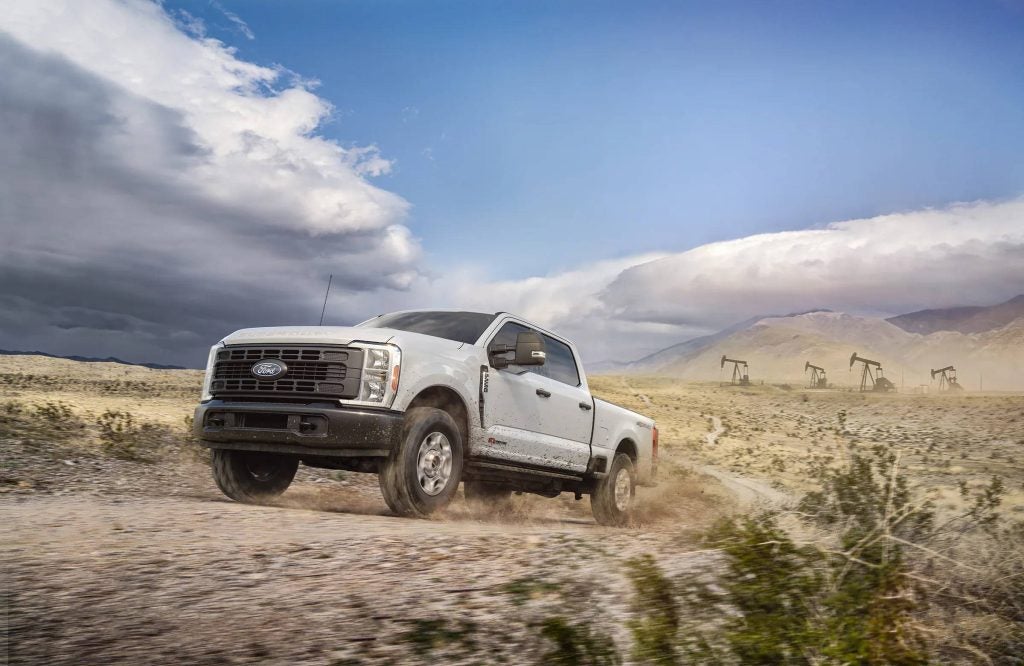
Heavy-duty truck buyers rarely settle, and they shouldn't have to. When you're towing a fifth wheel across the Cascades or hauling materials to a job site in the Tacoma/Olympia corridor, the truck you choose needs to perform without compromise. The 2027 Ford Super Duty vs. Ram 2500/3500 debate is one of the most contested in the truck world, and for good reason. Both lineups are capable and loaded with technology. Dig into the details, though, and the differences become clear fast. What's New for the 2027 Ford Super Duty Ford made significant changes to the 2027 Super Duty lineup, starting under the hood. The 6.8L V8 and standard-output 6.7L diesel are gone. The 7.3L Godzilla V8 is now the base gas engine, and the only diesel option is the high-output 6.7L Power Stroke, producing 500 hp and 1,200 lb-ft of torque paired with Ford's TorqShift 10-speed automatic. Ford essentially narrowed the powertrain lineup to offer fewer choices and stronger ones. The Tremor Off-Road Package expands significantly this year. It's now available on the XL with the STX Appearance Package, and Ford added Tremor availability on the Crew Cab with an 8-foot bed, opening it to buyers who want off-road capability alongside serious cargo space. An XL Off-Road 35-Inch Tire Package joins the lineup as well. On the commercial side, the Platinum trim extends to F-350, F-450, and F-550 Chassis Cab models, giving fleet and upfit buyers access to a higher-grade build. Inside, Ford upgraded cabin materials and infotainment layout across trims. Safety and driver assistance features that were once reserved for premium trucks are now more broadly available throughout the lineup. 2027 Ford Super Duty vs. Ram 2500: The 3/4-Ton Showdown The 3/4-ton segment is where most buyers in this class land. Understanding how the Super Duty and Ram 2500 differ across key categories helps narrow the decision for buyers who need a truck that performs every day. Engine and Powertrain The 2027 Super Duty pairs the 7.3L Godzilla V8 or the 500 hp, 1,200 lb-ft Power Stroke diesel with the TorqShift 10-speed automatic. The Power Stroke is engineered with towing as its primary mission, producing torque figures that translate directly to real-world performance on grades and under heavy loads. Based on 2026 figures, the Ram 2500 pairs a 6.4L HEMI gas engine or a 6.7L High-Output Cummins diesel, making up to 430 hp and 1,075 lb-ft of base diesel torque, with a TorqueFlite HD 8-speed automatic. The Cummins has a loyal following and its torque delivery is smooth and strong. Ford's Power Stroke leads on peak output, and the 10-speed automatic offers finer gear selection under load, which matters when managing heavy trailers on variable terrain. Towing, Payload, and Work Capability Ford holds a clear edge in maximum towing and payload across the lineup. At the top end, the Super Duty is rated for up to 40,000 lbs of gooseneck towing on the F-450 and up to 8,000 lbs of payload on a properly configured F-350. Within the 3/4-ton class itself, the F-250 tows up to 23,000 lbs with a gooseneck setup. Based on 2026 specs, the Ram 2500 tops out at around 20,000 lbs of diesel towing. That's a real-world difference you feel when pushing a truck to its limits hauling near Puget Sound or across the Pacific Northwest, not just a line on a brochure. Ram counters with user-friendly trailer management systems that make towing less stressful for occasional users. Both trucks are work-ready, but the Ram 2500 doesn't match the Super Duty's ceiling when maximum capability is the requirement. Technology and Driver Assistance Ford's SYNC 4 infotainment system offers a large touchscreen, wireless connectivity, and towing-specific features including trailer profiles, an integrated brake controller, and Pro Trailer Backup Assist, a feature that takes the frustration out of reversing with a trailer attached. Blind-spot monitoring and trailer sway control round out a package built specifically for towing use. Ram's Uconnect system is responsive and clean, with quick response times and an intuitive layout. Where Ford pulls ahead is in work-focused technology designed for towers and haulers rather than general comfort. For a buyer who spends significant time connected to a trailer, that's a meaningful advantage. 2027 Ford Super Duty vs. Ram 3500: Heavy-Hauler Face-Off Step up to the 1-ton segment and the stakes get higher. Horse trailer owners, equipment haulers, and commercial operators all need to know exactly what each truck delivers at its ceiling. Diesel Power and Max Towing Numbers The Super Duty's high-output Power Stroke produces 500 hp and 1,200 lb-ft of torque. That output pushes maximum towing well beyond what Ram's 3500 achieves at its peak. Based on 2026 specs, the Ram 3500's Cummins diesel makes 430 hp and 1,075 lb-ft of torque, with a maximum tow rating of around 36,610 lbs in properly configured diesel models. The Super Duty exceeds that ceiling, and for buyers moving the heaviest loads possible, Ford's numbers are difficult to argue with. Ram's Cummins inline-six is a proven engine with strong resale appeal and a dedicated following among long-time diesel users. The choice between them often comes down to preference and use case. When maximum output is the priority, Ford leads. Cargo Capacity and Worksite Utility The payload advantage Ford carries in the 3/4-ton class extends into the 1-ton segment. Higher payload ratings mean the Super Duty can carry more weight in the bed without approaching its limit, which matters for construction professionals and agricultural users loading materials, tools, or livestock daily. Ford's higher gross vehicle weight rating gives it a consistent worksite edge. Ram's 3500 is well-built with versatile bed configurations and solid overall quality. When comparing raw cargo numbers, the Super Duty's margin is consistent enough to be a deciding factor for buyers whose trucks are income-generating tools. Cab Comfort and Tech Features This is where Ram traditionally earns credit, and it's deserved. The Ram 3500's interior, particularly in Laramie and Longhorn trims, delivers a refined cabin experience with strong noise insulation and quality materials. The rear coil-spring suspension on the Ram 2500 also gives Ram an edge in ride comfort under lighter loads, and that reputation carries into the 3500's overall feel. Ford has closed the gap significantly. The 2027 Super Duty's interior features quality materials and ergonomic layouts across trims. The King Ranch and Platinum configurations rival Ram's premium setups without sacrificing the functional design Super Duty buyers expect. It comes down to personal priority: Ram's slightly more refined ride quality or Ford's blend of comfort and capability-focused engineering. For most buyers doing real work, Ford's approach wins. Why the 2027 Super Duty Is the Smarter Choice What "smarter choice" actually means depends entirely on what you're hauling and how often. For diesel performance seekers, there's no match. The Power Stroke's 500 hp and 1,200 lb-ft of torque lead the segment, and no competitor offers a diesel with higher factory output. If you're regularly towing near maximum capacity through the Pacific Northwest, that margin matters on every uphill stretch. For heavy haulers and gooseneck operators, the Super Duty's 40,000-lb gooseneck rating on the F-450 and 8,000-lb payload ceiling on the F-350 set the bar across the heavy-duty lineup. Contractors and ranchers in the Greater Tacoma area who push their trucks hard every day need that kind of headroom. For fleet and payload buyers, the 2027 lineup's expanded Platinum trim on F-350, F-450, and F-550 Chassis Cab models, combined with the Tremor package's broader availability, gives commercial operators more configuration options than Ram currently offers at this segment level. The TorqShift 10-speed also supports more consistent performance across duty cycles than Ram's 8-speed under comparable loads. Ram's refinements are real, and buyers who prioritize ride comfort or prefer the Cummins engine's character will find a strong truck there. But for most serious heavy-duty buyers, the Super Duty's capability numbers and powertrain output, paired with work-focused technology, make it the more practical and better-equipped option. Schedule a Super Duty Test Drive at Titus-Will Ford The best way to understand what makes the 2027 Super Duty stand out is to get behind the wheel. At Titus-Will Ford, serving Tacoma, Olympia, and Lakewood, WA, our team is ready to walk you through the full Super Duty lineup and help you find the configuration that fits your work and lifestyle. As one of the largest volume Ford dealers in Washington state, Titus-Will Ford has been helping customers make confident vehicle decisions since 1938. Whether you need a Super Duty for weekend towing or one built for daily commercial use, we can match you with the right truck and walk you through financing options and trade-in evaluations. Stop by at 3606 South Sprague, Tacoma, WA 98409, or call us at 253-356-8021. You can also contact our Titus-Will Ford team to schedule your Super Duty test drive at your convenience. We're open Monday through Friday from 9:00 AM to 8:00 PM, Saturday from 9:00 AM to 7:00 PM, and Sunday from 10:00 AM to 6:00 PM.

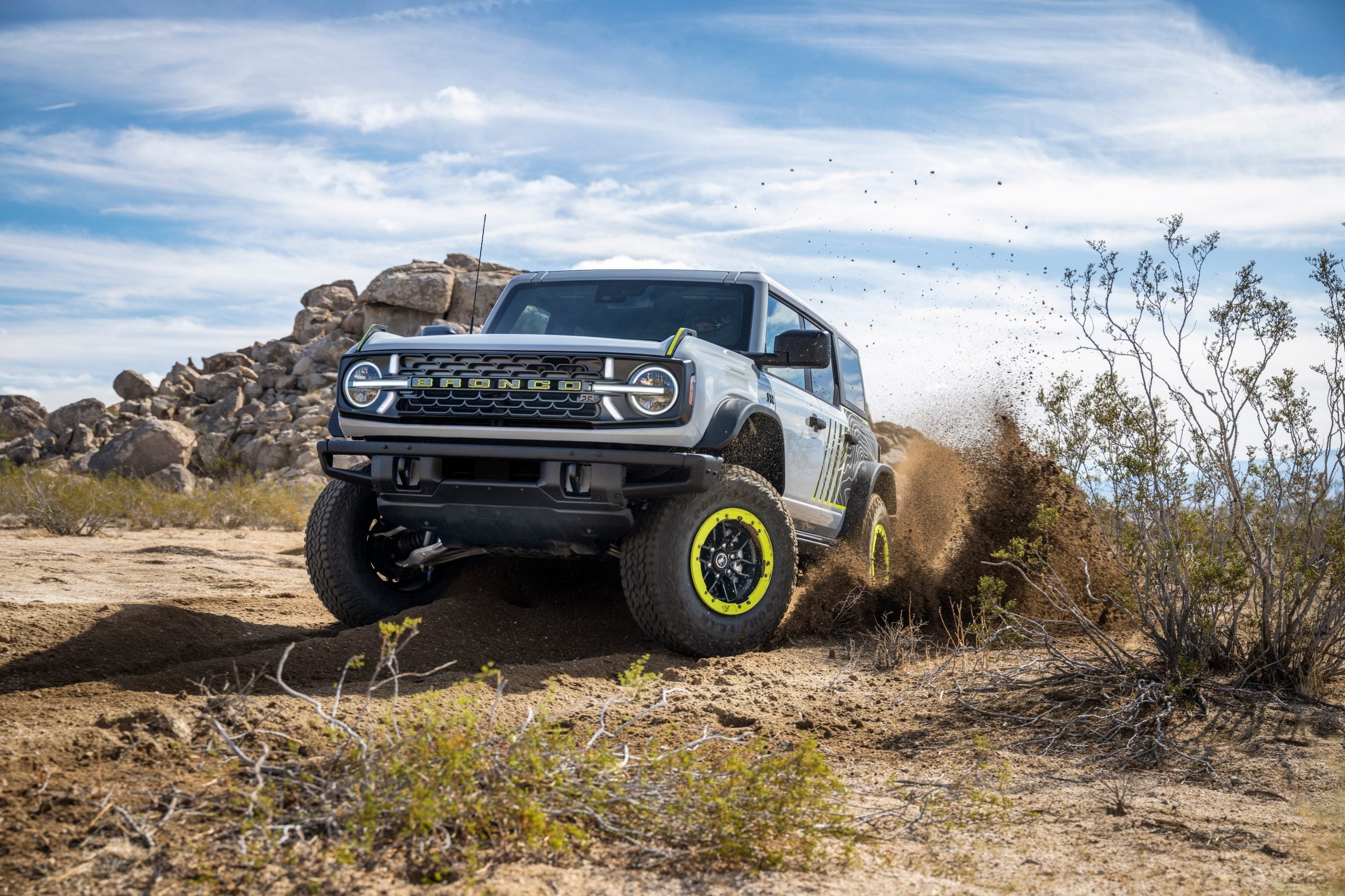
2027_Bronco_RTR_2

2027 Ford Bronco RTR VS 2027 Toyota Land Cruiser

Few rivalries in the SUV world spark as much debate as this one. The Ford Bronco RTR and Toyota Land Cruiser come at off-roading from completely different angles. The Bronco RTR chases raw performance and trail-ready aggression, while the Land Cruiser leans on decades of heritage to deliver a refined, comfortable cruiser. If you're weighing the 2027 Ford Bronco RTR against the 2027 Toyota Land Cruiser, understanding what separates them will help you make the right call, whether you're running forest service roads near Mount Rainier or cruising gravel routes outside Olympia. The Bronco RTR brings a sharp, purpose-built edge to this matchup. Developed alongside Vaughn Gittin Jr.'s RTR Vehicles and tested in California's Johnson Valley, it's engineered around off-road performance and driver excitement. The Land Cruiser leans into comfort, hybrid efficiency, and premium refinement instead. Both have devoted followings, but for buyers who prioritize capability over cushioning, the Bronco RTR makes its case the moment you grip the wheel. Performance and Powertrain: RTR's Adrenaline Advantage Performance is where this comparison gets interesting fast. The Bronco RTR was never meant to be subtle, while the Land Cruiser pairs efficiency with power through its hybrid system. Both strategies have merit, but they serve very different drivers. Ford Bronco RTR Power, Torque, and Drivetrain Ford equips the Bronco RTR with a turbocharged 2.3L EcoBoost four-cylinder paired to a 10-speed automatic. Ford has not yet confirmed the RTR's output, though the 2.3L produces 300 hp and 325 lb-ft in other Bronco models, so expect figures in that range pending Ford's official numbers. Race-derived anti-lag turbo programming keeps throttle response instant coming out of loose terrain, and a high-capacity cooling fan borrowed from the Bronco Raptor helps the engine stay composed under sustained off-road load. Its advanced four-wheel-drive system includes an automatic on-demand mode that can be left engaged on pavement, sending power exactly where it's needed on steep inclines and technical trails. Standard high-clearance suspension and 33-inch all-terrain tires come on every Bronco RTR, and the optional Sasquatch package steps things up further with 35-inch tires, HOSS 3.0 suspension, FOX Internal Bypass dampers, and an electronic locking front differential. None of this is spec-sheet dressing; it's hardware meant to take a beating on real trails. Toyota Land Cruiser Hybrid Performance The 2027 Land Cruiser uses Toyota's i-FORCE MAX hybrid powertrain, combining a turbocharged 2.4L four-cylinder with an electric motor for 326 net combined horsepower and 465 lb-ft of torque. That's a torque advantage on paper, and the electric motor delivers instant response off the line while the combustion engine handles sustained power needs. The result is a smooth, composed driving experience that works well in daily driving and moderate off-road situations, with meaningfully better fuel efficiency than the V8-powered Land Cruisers of the past. The instant torque from the electric motor genuinely helps in slow-speed off-road scenarios, but the overall character of the powertrain is tuned for composed refinement rather than adrenaline. It's a strong system for long-distance capability and reduced emissions, just not one built around aggressive trail performance the way the Bronco RTR's is. Off-Road Capability: Why the RTR Dominates the Trail When the pavement ends, the Bronco RTR is clearly in its element. The Land Cruiser can still handle plenty on dirt, but its heavier, luxury-first build starts to show its limits once the terrain gets rough enough. For buyers who genuinely plan to tackle demanding terrain around Tacoma, Olympia, or the forest routes toward Mount Rainier, this part of the comparison matters most. Suspension, Ground Clearance, and Approach/Departure Angles The Bronco RTR's suspension is built to absorb hard impacts and keep the wheels planted on uneven ground, with high-clearance geometry and 33-inch tires that let it clear rocks and ruts that would scrape a standard SUV. The optional Sasquatch package's HOSS 3.0 suspension and FOX Internal Bypass dampers add even more articulation for climbing steep faces and descending sharp drops. The Land Cruiser offers 8.7 inches of ground clearance with 32-degree approach and 22-degree departure angles, which is respectable and has improved in recent generations. Its suspension tuning still favors on-road ride quality, though, which brings compromises once terrain gets extreme. It handles moderate trails and light adventure driving, such as the gravel roads near Olympia, with confidence, but it isn't calibrated for the same level of technical terrain as the Bronco RTR. 4x4 Systems and Terrain Management The Bronco RTR's terrain management system offers multiple dedicated drive modes tuned for sand, mud, rock, and normal on-road driving. Switching modes adjusts throttle response and traction settings to match the environment, letting drivers dial in exactly the right setup for whatever trail they're tackling. The Land Cruiser brings its own capable system through electronically locking center and rear differentials, Multi-Terrain Select, and Crawl Control for slow, precise maneuvering. It's a reliable, well-engineered setup. Still, the Bronco RTR's mode selection and Sasquatch-package hardware offer more granular control for dedicated off-road use, which is where the RTR's advantage becomes clearest. Technology and Infotainment Face-Off Inside the cabin, the two vehicles take different approaches to technology. The Bronco RTR keeps things focused and functional, with Ford Co-Pilot 360 driver-assist features, a premium audio option, and a clean interface built around smartphone connectivity. Its controls are straightforward and geared toward an active buyer who wants easy access to the features they actually use. The Land Cruiser leans into premium cabin technology, with Toyota's suite of driver-assistance features, a 12.3-inch infotainment screen, and an available Head-Up Display. The interface is polished and responsive, matching its higher price point. Both systems suit their vehicles well: the Bronco RTR keeps tech practical and trail-ready, while the Land Cruiser treats it as part of a premium ownership experience. Passenger Space and Cargo Capacity Compared The Bronco RTR is built with active adventure in mind. It comes four-door only, seats up to five, and offers generous cargo space behind the second row (the four-door Bronco provides roughly 35 to 36 cubic feet, expanding to over 70 with the rear seats folded), enough for camping gear, mountain bikes, or recovery equipment on a weekend trip toward Mount Rainier. A washout interior with vinyl seats and Hyper Lime accents makes cleanup easy after a muddy trail day, while heated front seats and dual-zone climate keep things comfortable on the drive home. The Land Cruiser takes a different direction. It seats five, offers 46.2 cubic feet behind the second row (up to 82 cubic feet folded), and provides 36.7 inches of rear legroom with 39.4 inches of rear headroom. Premium materials and supportive seating make it a genuinely comfortable long-haul vehicle. If you want an SUV that doubles as a family hauler with off-road capability in reserve, the Land Cruiser delivers that balance. For pure adventure utility, though, the Bronco RTR's layout is purpose-built in a way the Land Cruiser isn't quite designed to match. Which SUV Fits Your Lifestyle? The honest answer is that these vehicles aren't competing for the same buyer. The 2027 Ford Bronco RTR is built for people genuinely excited about off-road driving, whether that means running forest service roads outside Tacoma or tackling coastal trails on a weekend trip. It attracts buyers who treat the trail as the destination itself, and it typically sits at a lower price point than the Land Cruiser while delivering competitive, often superior, capability in the dirt. The 2027 Toyota Land Cruiser is aimed at buyers who want long-haul comfort and hybrid efficiency along with off-road confidence, without committing to the Bronco's trail-aggressive character. It's a strong choice for families or travelers near Lakewood or Olympia who occasionally venture off-road but mostly value reliability and refinement. If that sounds like you, the Land Cruiser deserves serious consideration. But if you're drawn to a factory-built off-road performer with real trail credentials that reward the person actually driving it, the Bronco RTR wins that conversation. Schedule Your Bronco RTR Test Drive at Titus-Will Ford Reading about specs only goes so far. Sitting in the driver's seat and feeling what the Bronco RTR actually does tells you more than any spec sheet. Why Test Drive With Us We're one of the largest volume Ford dealers in Washington state, serving Tacoma, Olympia, and Lakewood. Our team has been helping buyers find the right Ford since 1938. We offer a full inventory of new Ford vehicles, transparent financing, and factory-certified service. Visit or Contact Us Located at 3606 South Sprague in Tacoma, WA, Titus-Will Ford is ready to help whether you're set on buying or just want to get behind the wheel. Call our sales team at 253-356-8021, or contact Titus-Will Ford online. We're open Monday through Friday from 9:00 AM to 8:00 PM, Saturday from 9:00 AM to 7:00 PM, and Sunday from 10:00 AM to 6:00 PM. The 2027 Ford Bronco RTR is worth experiencing in person.

Ford Super Duty 2027

2027 Ford Super Duty Vs Chevy Silverado 2500/3500

Choosing between the 2027 Ford Super Duty and the Chevy Silverado HD is a serious call. What you can haul, how hard you can push on a job site, and whether that daily commute feels like work or just driving all come down to this decision. At Titus-Will Ford in Tacoma, we work with contractors, farmers, fleet buyers, and families towing boats or fifth-wheels every day, so we put together this breakdown to help you compare the numbers that actually matter. Browse our current Super Duty inventory to see what's available now. What's New for 2027: Super Duty Gets an Upgrade While the Silverado HD Stays Put The 2027 Super Duty arrives with refinements that sharpen its position in the heavy-duty truck class. Ford focused on powertrain updates, technology improvements, and off-road capability to make the truck more capable and more livable at the same time. The headline updates include expanded Tremor availability across more trims, with the Tremor package now offered on Crew Cab with Long Box configurations. Ford also added a new XL Off-Road 35-Inch Tire Package, which brings serious off-road capability to the work truck level without requiring a premium trim. Platinum trim is now available on more chassis cab models, and Crew Cab Long Box Tremor models can be optioned with a 48-gallon fuel tank, a genuine advantage for drivers covering long distances between fills in the Pacific Northwest. The Chevy Silverado 2500/3500 HD, by contrast, is expected to carry forward a largely unchanged formula for 2027. GM hasn't introduced significant updates to the Silverado HD lineup this year, and an all-new Silverado HD is reportedly planned for 2028. For buyers comparing both trucks today, that means you're looking at an updated Ford against a truck that's been holding steady for a second consecutive year. Engine Performance and Powertrain: 2027 Ford Super Duty vs. Chevy Silverado HD Both trucks offer diesel and gas options, but the specs tell meaningfully different stories. Super Duty's Powertrain Options For 2027, Ford dropped the 6.8L V8 and made the 7.3L "Godzilla" V8 the standard gas engine across the Super Duty lineup. It produces 430 hp and 485 lb-ft of torque, a substantial step up from what the Silverado HD's base gas engine offers. The only diesel available is the high-output 6.7L Power Stroke V8, rated at 500 hp and 1,200 lb-ft of torque. That torque figure is what makes the Power Stroke particularly effective for heavy trailer management on mountain passes and loaded job-site hauls. Silverado HD's Engine Options The Silverado HD offers a 6.6L V8 gas engine rated at 401 hp and 464 lb-ft of torque, alongside the available 6.6L Duramax diesel at 470 hp and 975 lb-ft. The Duramax has earned a loyal following and remains competitive, but it trails the Power Stroke by 30 hp and 225 lb-ft of torque. For buyers who prioritize maximum diesel output, the Super Duty's Power Stroke holds the clear advantage. 2027 Ford Super Duty vs. Chevy Silverado 2500: The 3/4-Ton Showdown The F-250 vs. Silverado 2500HD matchup targets the same buyer: someone who needs more than a half-ton can provide but doesn't always need the full weight-hauling muscle of a one-ton. Stacking them side by side, the F-250 leads on both towing and payload. In properly equipped configurations, the F-250 Super Duty reaches up to 23,000 lb of gooseneck and fifth-wheel towing capacity and up to 4,300 lb of payload. The Silverado 2500HD tops out at 16,000 lb of conventional towing on gas, or up to 22,070 lb gooseneck with the Duramax diesel, with maximum payload reaching 3,979 lb. For contractors towing equipment trailers over Snoqualmie Pass or recreational buyers pulling a fifth-wheel to eastern Washington, those differences are real and cumulative. Ford's towing technology also contributes to driver confidence under load. Pro Trailer Backup Assist, an integrated brake controller, and a camera system with trailer-specific views make hitching and maneuvering more manageable in tight spaces, whether that's a crowded boat launch or a congested job site. 2027 Ford Super Duty vs. Chevy Silverado 3500: When Maximum Capability Matters At the one-ton level, buyers are often operating at the upper limits of what a pickup truck can do. Commercial haulers, fifth-wheel operators, and gooseneck users depend on maximum ratings, and this is where the comparison requires honest framing. The Silverado 3500HD posts strong numbers in its heaviest diesel configurations, reaching up to 36,000 lb of towing and 7,442 lb of payload. Those are the highest figures in the segment for that specific configuration, and we won't pretend otherwise. If you're regularly pulling a 33,000-lb gooseneck load and that single number is your entire decision criteria, the Silverado 3500HD deserves serious consideration. That said, Ford's case for the F-350 Super Duty rests on versatility, a streamlined engine lineup, and factory off-road capability. Most buyers in this class don't operate at absolute maximum capacity every day. A landscaper hauling a 10,000-lb equipment trailer who also works muddy fields on weekends gets more from a truck built around breadth of capability than one maximum number. A fleet manager outfitting trucks for mixed-use work does too. The F-350's 7.3L Godzilla V8 standard engine and high-output 6.7L Power Stroke, combined with the expanded Tremor package availability, make it the more flexible platform for operators whose needs vary across the week. Technology, Interior Comfort, and Work-Ready Features A heavy-duty truck you spend ten hours a day in needs to be more than capable. The 2027 Super Duty delivers Ford's SYNC 4 infotainment system, available on Platinum trim along with leather seating surfaces now offered on chassis cab models. The available 360-degree camera system and trailer-specific technology are well-integrated, and the Pro Power Onboard system turns the truck into a mobile generator, something the Silverado HD doesn't offer. For job-site operators running power tools or charging equipment in the field, that has genuine daily value. The 2027 Tremor package brings factory-installed off-road hardware that reduces the need for aftermarket modifications. The package includes a factory lift, an electronic locking rear differential, a limited-slip front differential, Trail Control, Trail Turn Assist, Rock Crawl Mode, skid plates, and water-fording vent tubes. Offering the Tremor on Crew Cab Long Box configurations is particularly useful for buyers who need off-road capability without sacrificing passenger space or bed length, worth considering if your work takes you off paved roads in the Cascades or on rural Pacific Northwest properties. The Silverado HD's interior has improved in recent years with a clean layout and solid material quality. In Lariat, King Ranch, and Platinum trims, the Super Duty's cabin reaches a level of refinement that holds its own against luxury SUVs, and the factory technology breadth means fewer aftermarket additions to manage. We offer flexible financing options for qualified buyers at Titus-Will Ford, whether you're purchasing a single truck for personal use or spec'ing a fleet of F-350s for commercial work. Why the 2027 Ford Super Duty Is the Better Heavy-Duty Truck Looking at the full picture, Ford's advantages stack up across the categories that matter most: The 7.3L Godzilla V8 is now the standard gas engine, delivering 430 hp and 485 lb-ft of torque vs. 401 hp and 464 lb-ft from the Silverado HD's standard 6.6L V8. The 6.7L Power Stroke produces 500 hp and 1,200 lb-ft of torque, compared to 470 hp and 975 lb-ft from the Duramax diesel. The F-250 reaches up to 23,000 lb gooseneck towing and 4,300 lb payload vs. 22,070 lb and 3,979 lb for the Silverado 2500HD. The expanded Tremor package and the new XL Off-Road 35-Inch Tire Package deliver factory off-road capability across a wider range of trims than the Silverado HD offers. Pro Power Onboard, SYNC 4, and integrated trailer technology come standard or available from the factory, without needing aftermarket additions to fill the gaps. The Silverado HD is a legitimate truck, and the Silverado 3500HD's maximum towing and payload figures are worth acknowledging, particularly for buyers who hit those limits regularly. For everyone else weighing a full purchase decision across real-world use, the 2027 Ford Super Duty makes the stronger case, whether you're spec'ing an F-250 or an F-350. Experience the 2027 Ford Super Duty at Titus-Will Ford If you're ready to see the 2027 Super Duty in person, come visit us at Titus-Will Ford, located at 3606 South Sprague, Tacoma, WA 98409. We're one of the largest-volume Ford dealers in Washington state and have been serving drivers since 1938. Our team understands what heavy-duty truck buyers need, from spec comparisons to configurations tailored for Pacific Northwest terrain and work conditions. You can reach us at 253-356-8021, or contact our Tacoma sales team online to get the conversation started. Business hours run Monday through Friday from 9:00 AM to 8:00 PM, Saturday from 9:00 AM to 7:00 PM, and Sunday from 10:00 AM to 6:00 PM. Whether you're upgrading your current Super Duty or switching over from a Silverado HD, we're ready to help you find the right truck for your work and your life.