

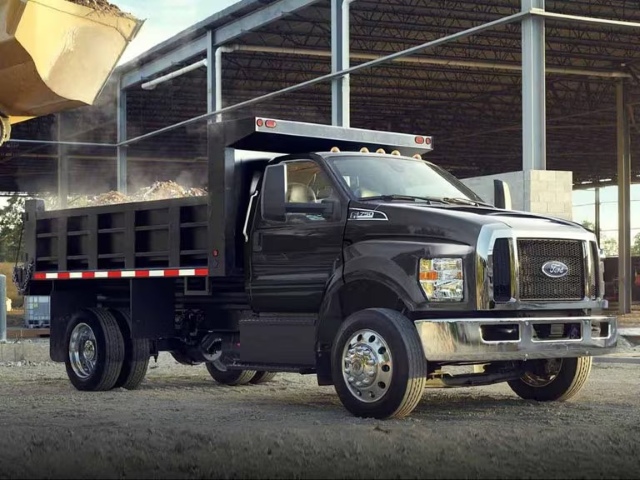
If you’re a business owner who uses vehicles for work, you may have options to reduce your tax. How? The answer is section 179. This tax rule allows you to deduct the full purchase price of your work vehicle, although there are criteria and potential limitations you need to be aware of. This guide will explore everything you need to know about section 179 and how it applies to Ford’s commercial vehicles, in Tacoma and beyond.
What Is Section 179?
Section 179 of the IRS tax code allows businesses to deduct the full cost of work vehicles from their taxes. You can deduct the full purchase amount in the same year you began using the vehicle, rather than expensing that cost over several years through depreciation.
Eligibility Criteria for Section 179 Deductions for Vehicles
While most businesses and vehicles are eligible, there are some exceptions.
Who Can Claim the Deduction?
Nearly any business that buys or finances their cars for business use can claim the section 179 deduction. You’ll need to use the vehicle for business purposes over 50% of the time, and you will scale the deduction amount based on your actual use. Sole proprietors, LLCs, partnerships, and corporations can all benefit.
Types of Businesses That Benefit the Most
Industries that rely on equipment or vehicles (such as construction, transportation, landscaping, and delivery services) often use section 179 to reduce tax liability and take advantage of operational upgrades. However, small businesses across other sectors can benefit as well, whether you’re investing in new computers or commercial trucks.

How Section 179 Applies to Commercial Vehicles
Eligible commercial vehicles fall into three categories based on their gross vehicle weight rating (GVWR), which determines the section 179 deduction limitations.
Vehicle Category**GVWRExamples2025 Section 179 Limit**Vocational or heavy-duty vehiclesOver 14,000 poundsCement mixers, garbage trucks, large delivery vansUp to full deduction (max $1,250,000 up to phase-out)Heavy SUVs, trucks, and vansBetween 6,000 and 14,000 poundsFull-size SUVs, large pickup trucks, commercial vans$31,300Passenger vehicles and light-duty trucksUnder 6,000 poundsSedans, small pickups, crossover SUVs$20,400
Diving Into Section 179 Vehicle Tax Deduction Limits
Here’s how the deductions work for the 2025 tax year:
- Maximum deduction: $1,250,000 total per tax year
- Phase-out threshold: Begins after $3,130,000 in qualifying equipment
- Heavy SUVs/trucks: $31,300 deduction limit
- Passenger vehicles: $20,400 deduction limit
- Bonus depreciation: 40% additional deduction on costs beyond section 179 limits in 2025
A section 179 deduction can reduce your taxable income, so you have more cash available for other business needs. Importantly, this deduction applies to both new and used qualifying vehicles.
Comparing 2025 to Previous Years: What’s Changed?
The 2025 limit has increased by 2.5% from 2024. The SUV limit rose by $800 to $31,300, and the overall phase-out threshold increased to $3,130,000. Bonus depreciation rates have also been decreased from 60% to 40%.
The “Hummer Tax Deduction” Explained
Section 179 was once jokingly nicknamed the “Hummer tax deduction” because some business owners took advantage of its high limits to deduct the cost of expensive vehicles such as Hummers.
Calculating Deductions for Vehicles Used for Business and Personal Purposes
You’ll get the best benefit from section 179 if you use the vehicle solely for business purposes. If you use your vehicle for personal use too, you’ll need to calculate accordingly. The amount you can deduct is based on the percentage of time you use the vehicle for business. For example, if you only use a truck for work 70% of the time, you can only deduct 70% of the section 179 limit. Make sure you keep thorough documentation of your business use, such as mileage logs and usage records, in case you’re audited and need to prove your business use.
Section 179 and Preowned Vehicles: Are You Eligible?
Both new and used vehicles qualify for section 179 as long as you buy them and put them into service within the same tax year and use them for business at least 50% of the time.
Tax Savings on Preowned Vehicles
There are both pros and cons of using preowned vehicles for tax savings.
Pros
Pros include:
- Lower upfront cost but same tax benefits
- Preowned vehicles and those bought with financing qualify for section 179
- Can claim up to $31,300 in 2025, regardless of new or used
- Can combine with bonus depreciation
Cons
Cons may include:
- Potential maintenance concerns
- Vehicle must be used for business at least half the time
- You must keep detailed records
- Less benefit for purchases over $3,130,000
- Less benefit for passenger vehicles under 6,000 pounds
The Role of Bonus Depreciation in Section 179
Bonus depreciation applies to qualified vehicle costs over section 179 limits or ones that don’t meet it’s eligibility rules. For 2025, you can claim 40% bonus depreciation in addition to section 179 deductions. A common strategy is to apply section 179 up to the deduction limit, and then use bonus depreciation on any remaining cost.
Financing Your Section 179 Commercial Vehicle Purchase
You can deduct vehicles you’ve bought directly or financed. Leasing doesn’t qualify for section 179, but purchasing with loans or other financing methods does. Buying vehicles allows immediate deductions under section 179, while leasing generally results in deductions based on lease payments instead of the vehicle’s full purchase price.
Practical Steps To Claim Your Section 179 Tax Deduction
To claim section 179 tax deductions on your vehicle, follow these steps:
- Keep your purchase invoices and financing agreements
- Track your business vs. personal usage
- Document the date you put your vehicle in service
- Claim the deduction on the tax return for the year you put the vehicle into service (e.g., by December 31, 2025, for 2025 deductions)
FAQs
Here are the answers to some frequently asked questions about section 179 and vehicles.
Is Section 179 Going Away?
Not that we know of. There is no current legislation that suggests section 179 could be removed.
What Happens If I Don’t Use the Vehicle for Business More Than 50%?
If you use the vehicle for business less than 50% of the time, you cannot claim section 179 deductions. However, you may still qualify for standard depreciation.
Save With Commercial Vehicle Tax Incentives (Section 179)
Tax laws are always changing, so we recommend checking in regularly with your tax advisor if you plan to take advantage of section 179. If you’re ready to take advantage of these potential tax benefits, contact or visit us at Titus-Will Ford in Tacoma, Washington, to browse our range of commercial Ford vehicles. Our finance team can walk you through the options and help you save on your next purchase.
Connect with us


